Call Us Today!
(970) 247-2677
New Patients
(970) 233-7384


At Mountain Health Dentistry we take a practical, patient-first approach to restorative care. When a tooth has been weakened by decay, injury, or years of wear, a carefully designed restoration can preserve function and prevent future problems. Our goal is to protect the tooth’s remaining structure while restoring comfort, chewing efficiency, and natural-looking appearance.
Tooth enamel is the hardest substance in the body, but it is not invincible. Large cavities, cracks from trauma, deep fractures, or the cumulative effects of grinding can leave a tooth too fragile for a simple filling. In these cases, a full-coverage crown is often the most reliable way to rebuild strength and restore predictable long-term performance.
Advances in dental ceramics mean crowns no longer require a metal core to perform well. All-ceramic crowns combine modern materials science with refined aesthetics to deliver restorations that look like natural teeth while providing excellent durability. This page explains when crowns are appropriate, how ceramic options differ, and what you can expect from treatment.
We customize every treatment plan to each patient’s clinical needs and cosmetic goals. A crown should not only protect the tooth but also blend with your smile and support healthy gum tissue. Below you’ll find an overview of the situations that commonly call for a crown and the key considerations our team uses when recommending ceramic restorations.
A crown replaces the visible portion of a tooth, wrapping it in a protective shell that restores shape, strength, and bite relationships. Dentists commonly recommend crowns when a tooth has lost a substantial amount of healthy structure and a filling would be unlikely to withstand normal chewing forces. Crowns are also the standard restoration for teeth that have been root canal–treated, where internal reinforcement alone may not be enough.
Crowns are appropriate for repairing teeth that are fractured, severely worn, or extensively decayed, and they are used to restore teeth that serve as anchors for bridges or as the visible portion of implant restorations. A well-fitted crown re-establishes contact points with neighboring teeth and preserves proper alignment and chewing function, which helps protect the rest of the mouth from secondary problems.
Deciding whether a crown is the right option involves assessing the remaining tooth structure, the location of the tooth in the mouth, the forces it will encounter, and the patient’s aesthetic priorities. We balance preservation of natural tooth substance with the need for a stable, long-lasting restoration so patients can maintain comfortable, confident oral function.

All-ceramic crowns are designed to mimic natural tooth structure at both a functional and visual level. Unlike restorations that hide a metal core beneath porcelain, modern ceramics transmit light similarly to enamel and dentin, resulting in depth, translucency, and a lifelike surface finish. This makes ceramic crowns the preferred choice when aesthetics are a primary concern.
Beyond appearance, ceramic materials are biocompatible and gentle on surrounding gum tissue. Because they are metal-free, they remove concerns related to metal sensitivity and the dark lines that can sometimes appear at the gumline with older, hybrid restorations. Contemporary ceramics also resist staining and maintain color stability over time when cared for properly.
Strength is no longer a trade-off with esthetics. High-strength glass-ceramics and advanced zirconia formulations offer mechanical performance that supports chewing forces for both front and back teeth. These materials can be used in thinner sections than older systems, which allows for more conservative tooth preparation and helps preserve more of the natural tooth.
Finally, ceramic crowns are versatile in how they’re fabricated. Options include traditionally layered restorations for maximum aesthetic nuance or monolithic designs for exceptional durability. The choice depends on the clinical demands of the case and the appearance you want to achieve.
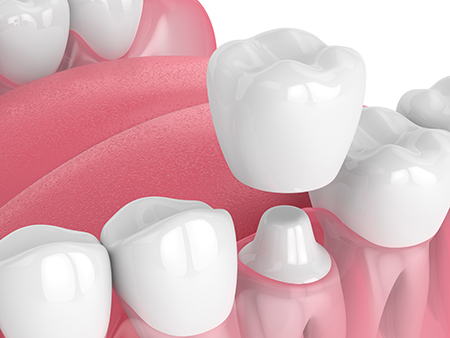
Choosing the ideal ceramic starts with the tooth’s position and the forces it will face. Front teeth demand exceptional translucency and shading to look natural in various lighting, so glass-ceramics that allow subtle layering are often preferred. Back teeth require materials that can handle higher bite loads, and in those cases strong zirconia or reinforced glass-ceramics may be recommended.
We also factor in how much tooth structure remains and whether the restoration will be bonded or cemented. Bondable ceramics can add reinforcement to weakened teeth when bonded in place, whereas some zirconia crowns are designed for adhesive or conventional cementation depending on the clinical scenario. Your dentist will explain these technical differences in clear, practical terms so you can make an informed decision.
Manufacturing method plays a role as well. CAD/CAM milling and precise milling technologies produce highly accurate, consistent crowns in well-controlled materials. In some cases, a laboratory-fabricated, hand-layered crown will yield the most lifelike result for a front tooth. Our recommendations aim to match material properties with the functional and cosmetic goals specific to your smile.
Whichever material we choose, attention to color matching and marginal fit is essential. A tight, well-polished margin supports gum health and reduces the risk of staining or recurrent decay. We evaluate every restoration on both technical fit and visual harmony with the surrounding teeth before final placement.

Careful planning begins with a clinical exam and digital imaging to evaluate the tooth and surrounding structures. We discuss goals for strength and appearance, then create a treatment plan that outlines preparation, provisional restoration, and final cementation. Digital scans or traditional impressions capture the shape of the tooth so the laboratory or milling unit can produce a precise crown.
To prepare the tooth, we remove any decay and shape the remaining structure in a way that supports the new crown while conserving as much enamel as possible. A temporary crown protects the tooth while the final restoration is fabricated. At the seating appointment, your dentist checks fit, contacts, and color before making any necessary refinements and completing the cementation process.
After placement, we verify your bite and make adjustments to ensure comfort during chewing. Proper home care and regular dental visits help maintain the crown and the supporting tooth for years to come. If a crown ever becomes loose or damaged, prompt evaluation allows us to address the issue before it affects surrounding teeth or gums.
We prioritize preserving natural tooth structure and achieving outcomes that look and feel like a real tooth. Our team combines advanced materials, refined laboratory techniques, and a patient-centered approach to create restorations that meet both functional needs and cosmetic expectations. Patients benefit from evidence-based recommendations tailored to their oral health and lifestyle.
Comfort and communication are central to our care. We explain each step of treatment in plain language, review alternatives when appropriate, and plan procedures to minimize chair time and postoperative sensitivity. If a patient has particular aesthetic goals or special considerations, we incorporate those preferences into the final design so the result feels both natural and personal.
If you’d like to learn more about ceramic crowns and whether they could be the right option for your smile, please contact us for more information. Our team is happy to answer your questions and guide you toward a treatment plan that supports lasting oral health and confident function.

A crown is a full-coverage restoration that replaces the visible portion of a tooth, and ceramic crowns use modern ceramic materials to recreate tooth shape and function. They are custom-made to fit over a prepared tooth, restoring bite relationships and protecting weakened structure. Because ceramic materials can mimic the optical properties of enamel, they often provide very natural-looking results.
Ceramic crowns are metal-free restorations available in different formulations, including glass-ceramics and zirconia. They are used to rebuild teeth damaged by decay, fracture, wear, or after root canal therapy to provide durable, functional coverage. Contemporary ceramics balance strength with esthetics so clinicians can choose an option that meets both functional demands and visual expectations.
A crown is usually recommended when a tooth has lost a substantial amount of healthy structure and a filling would not restore reliable strength. Large cavities, deep fractures, and teeth weakened by years of grinding often require full-cover protection to prevent further failure. Crowns are also standard for teeth that have undergone root canal therapy because internal reinforcement alone may be insufficient.
Deciding between a crown and a filling involves assessing the remaining tooth tissue, the tooth's position, and the forces it will face during chewing. If maintaining alignment and contact points is important for overall bite health, a crown can help preserve occlusion and protect neighboring teeth from secondary problems. Your dentist will weigh the benefits of conserving enamel against the need for a long-lasting, stable restoration.
All-ceramic crowns are metal-free and transmit light in a manner similar to natural enamel, which produces depth, translucency, and lifelike surface qualities. Older metal-based crowns often rely on a metal substructure covered by porcelain, which can limit optical properties and sometimes produce a visible dark line at the gumline. Because ceramics are designed for esthetic integration, they are frequently the preferred choice when appearance is a primary concern.
Ceramic materials tend to be biocompatible and gentle on surrounding gum tissue, reducing concerns about metal sensitivity. They also resist staining and maintain color stability when cared for properly, which contributes to a long-term natural appearance. Advances in ceramic strength mean clinicians no longer must sacrifice durability for esthetics with many modern formulations.
Common materials include high-strength glass-ceramics, lithium disilicate, and advanced zirconia formulations, each offering a unique balance of translucency and mechanical performance. Lithium disilicate and layered glass-ceramics are often chosen for front teeth when esthetic nuance is critical because they allow subtle shading and layering. Stronger zirconia options are frequently used in posterior teeth or in situations that require minimal material thickness for added durability.
Material choice affects how a crown is bonded or cemented; some ceramics are designed for adhesive bonding while others can be conventionally cemented depending on the clinical need. Manufacturing methods such as CAD/CAM milling and laboratory layering also influence the final fit and appearance of the restoration. Your dentist will explain the material properties and how they align with functional demands and cosmetic goals before treatment.
The selection begins with a clinical assessment that considers tooth position, the amount of remaining structure, occlusal forces, and the patient's aesthetic priorities. For anterior teeth, materials that reproduce translucency and fine shading are prioritized, while posterior teeth favor formulations with higher fracture resistance. We also evaluate whether the restoration will be bonded or cemented because that decision can strengthen the final result for weakened teeth.
The practice factors in manufacturing approach—whether a CAD/CAM-milled monolithic crown or a hand-layered laboratory restoration will better meet the case requirements. Color matching, marginal fit, and soft-tissue compatibility are all assessed to support long-term gum health and a natural appearance. Your dentist will discuss the recommended option and the reasoning behind it so you can make an informed choice aligned with your goals.
Treatment begins with a thorough exam and digital imaging to evaluate the tooth and surrounding structures and to develop a detailed plan. The tooth is prepared by removing decay and shaping remaining structure to support the crown while preserving as much enamel as possible. Digital scans or traditional impressions capture the tooth shape so a laboratory or milling unit can produce an accurate restoration.
A temporary crown protects the prepared tooth while the final restoration is fabricated and allows you to function comfortably between appointments. At the seating visit, the dentist checks fit, contacts, color, and occlusion, making refinements as needed before final cementation or bonding. After placement the team verifies your bite and provides guidance on home care and follow-up to help the crown last for years.
Modern workflows often use digital intraoral scans and CAD/CAM milling to produce highly accurate crowns with consistent material properties. Laboratory-fabricated, hand-layered crowns remain valuable for complex esthetic cases where nuanced shading and surface texture are needed. Both approaches rely on precise impressions or scans and communication between clinician and technician to reproduce tooth anatomy and occlusal relationships.
Achieving a tight margin and accurate contacts reduces the risk of decay and supports healthy gum tissue, so careful polishing and finishing are essential. The dentist evaluates marginal fit, interproximal contacts, and occlusion at the seating appointment and makes any necessary adjustments. Final verification ensures the restoration integrates visually and functionally with the adjacent teeth before the procedure is completed.
Yes; contemporary ceramics are versatile enough to restore both anterior and posterior teeth when the correct material is selected. Front teeth benefit from translucent, layerable ceramics that replicate enamel characteristics, while back teeth typically require materials with higher fracture resistance. Material science and design choices allow clinicians to match esthetic demands with functional requirements across the mouth.
In some posterior cases, monolithic zirconia provides exceptional durability with reduced chipping risk, while glass-ceramics can provide superior esthetics in visible areas. The clinician balances conservation of tooth structure with material thickness requirements to determine the best approach for each tooth. Long-term success depends on proper occlusal management and routine maintenance in addition to material selection.
Home care for a ceramic crown follows the same principles as natural teeth: brush twice daily with a fluoride toothpaste and clean between teeth daily. Gentle flossing and the use of interdental brushes where appropriate help maintain healthy contacts and gum tissue around the restoration. Avoiding habitual hard bites on non-food items and using a nightguard if you grind teeth protects the crown from excessive wear and chipping.
Regular dental checkups allow the team to monitor the crown, check margins, and address any early signs of wear or decay at an adjacent tooth. If a crown ever feels loose, painful, or shows chipping, prompt evaluation helps preserve the underlying tooth and prevents more extensive repair. Consistent preventive care supports the longevity and appearance of your restoration over time.
Potential risks include postoperative sensitivity, marginal decay if oral hygiene is poor, chipping in layered restorations, or loosening due to cement failure. These outcomes are uncommon when a crown is well-designed, accurately fitted, and maintained with good oral hygiene and regular monitoring. Knowing the specific risk profile of the chosen material helps the dentist plan techniques to minimize problems.
When complications arise, options range from simple adjustments and rebonding to fabrication of a replacement crown depending on the type and severity of the issue. Prompt assessment allows less invasive interventions and helps protect the supporting tooth and gums from further harm. The team at Mountain Health Dentistry provides personalized follow-up care and clear recommendations to restore function and appearance when problems occur.