Call Us Today!
(970) 247-2677
New Patients
(970) 233-7384


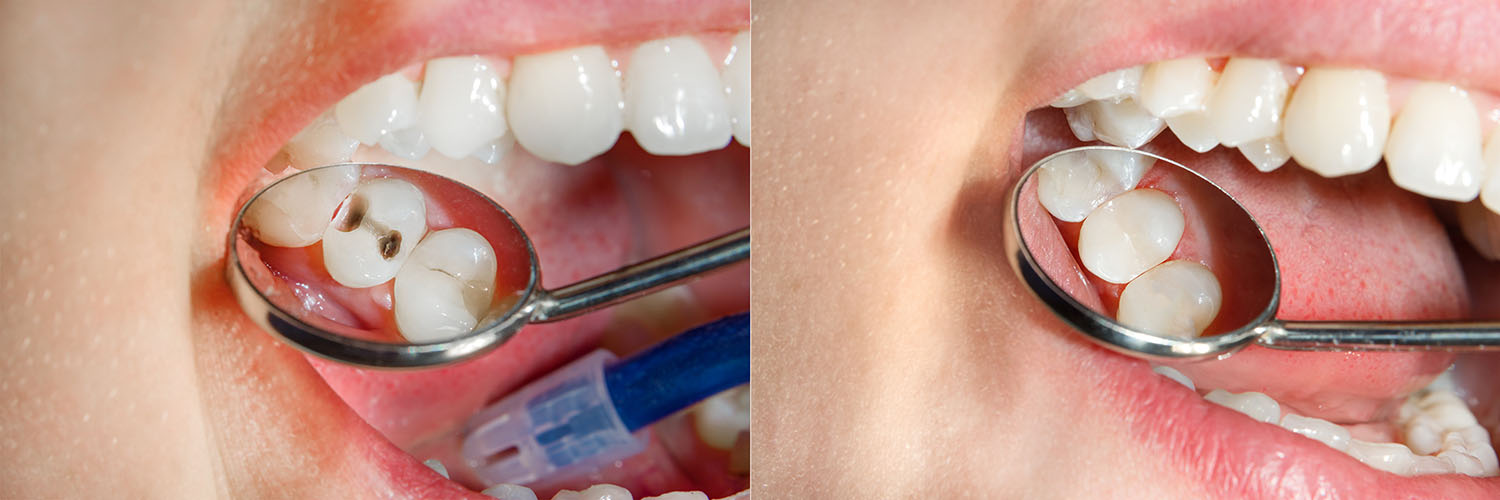
When a tooth’s enamel is broken down by decay or a small fracture, a filling restores both form and function without removing more healthy structure than necessary. Modern composite fillings are tooth-colored resin materials engineered to match your natural enamel. They offer an unobtrusive solution that restores chewing surfaces and helps maintain the tooth’s original shape and appearance.
A conservative restoration begins with precise diagnosis and careful preparation. Our goal is to remove only the compromised material and preserve as much of the natural tooth as possible. By choosing a material that bonds directly to the tooth, we can often create a secure repair with a minimal footprint—helping the tooth remain strong and serviceable for many years.
Conservative repairs are especially valuable when long-term preservation is the priority. Rather than moving quickly to larger restorations, a well-placed composite filling can protect the tooth’s integrity and delay or prevent more invasive treatment. That mindset — protecting the root to preserve the tooth — guides how we approach every repair.
Composite resins are designed for both aesthetics and performance. Available in multiple shades, these materials are hand-matched to blend with surrounding teeth so the repair is subtle and visually cohesive. The result is a restoration that looks natural in day-to-day life—important for front teeth as well as posterior teeth where appearance still matters.
The strength of a composite filling comes from its ability to bond to enamel and dentin. This adhesive connection helps seal the margins of the restoration against bacteria and reinforces the remaining tooth structure. Because bonding requires less removal of healthy tooth tissue compared with traditional metal restorations, composites support a more conservative, tooth-preserving approach.
Advances in composite chemistry and placement techniques have improved wear resistance and longevity. While no material is indestructible, a carefully placed composite filling that is maintained with good oral hygiene and regular dental checkups can provide dependable function and a pleasing appearance for many years.
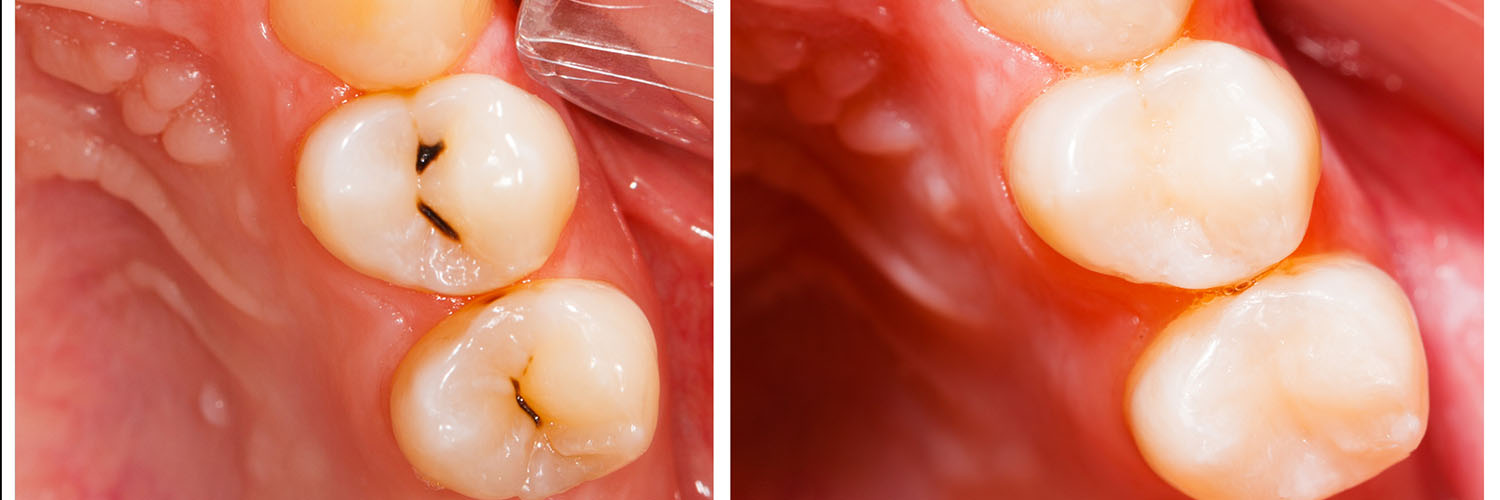
Appointments for composite fillings are typically efficient and focused on patient comfort. After a thorough exam and any necessary X-rays, the tooth is isolated and gently prepared by removing decay or damaged tissue. Local anesthesia is commonly used so you won’t feel discomfort during this step; for patients with dental anxiety, sedation dentistry can be discussed as an option to make the visit more relaxed.
Once the tooth is ready, the resin is applied in thin layers and shaped to match the natural contours of the tooth. Each layer is set with a curing light, which hardens the material quickly and allows the clinician to refine the form and bite as needed. This incremental technique helps create a filling that integrates with the tooth’s anatomy and the patient’s occlusion.
Finishing touches include careful polishing and occlusal adjustments so the restoration feels smooth and comfortable. Most composite fillings are completed in a single visit, though the exact time varies depending on the size and location of the repair. We take time to explain each step and answer questions so patients understand what to expect before they leave the operatory.
After a filling appointment it’s normal to experience temporary numbness from local anesthesia; avoid chewing until sensation returns to prevent accidental biting of lips or tongue. Some sensitivity to temperature or pressure is common for a few days as the tooth adjusts to the new restoration. This usually resolves on its own, but persistent or worsening symptoms should be evaluated to ensure optimal function and comfort.
Good oral hygiene remains the best way to protect a new filling and the surrounding tooth. Brushing twice daily, flossing, and keeping regular professional cleanings and examinations help prevent recurrent decay at the margins of the restoration. During routine checkups we monitor fillings for wear, leakage, or changes that may call for maintenance or replacement.
In addition to home care, practical habits such as avoiding excessive chewing on very hard items and using a nightguard if you grind your teeth can extend the life of a filling. If you notice roughness, a high spot when biting, or any unusual sensitivity, contact our office so we can make timely adjustments and keep your restoration performing well.
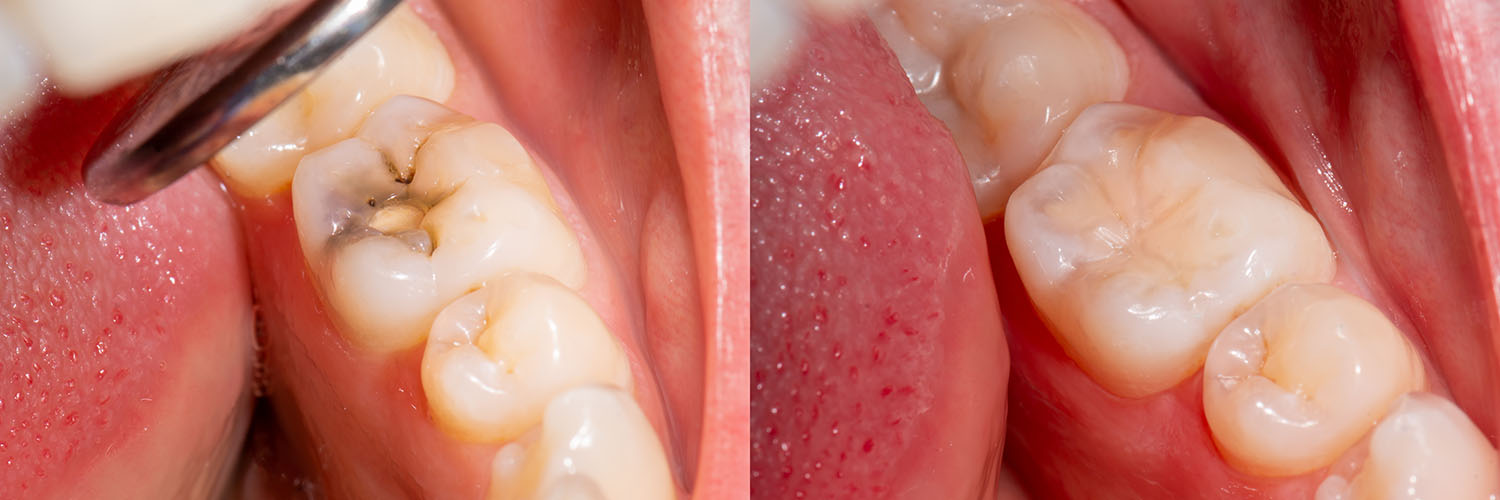
While composite fillings are an excellent solution for many cavities and small fractures, they aren’t the only option. In cases where a large portion of the tooth is affected, or where existing restorations have failed, alternatives such as inlays, onlays, crowns, or implant-supported restorations may be recommended to restore strength and long-term function. Our approach is to match the treatment to the clinical need with the least invasive option that will achieve durable results.
Sometimes a filling is part of a phased treatment plan. For example, stabilizing a tooth with a filling may be the first step before more definitive restorative work, or a filling may be placed after root canal therapy to seal and protect the tooth. We evaluate each situation carefully and discuss realistic expectations, timelines, and goals so you have a clear picture of how each procedure fits into your overall oral health plan.
Coordination with other specialists is also an option when complex conditions require it. Our focus remains on preserving your natural teeth whenever feasible, and we’ll recommend the most appropriate solution—whether that’s a conservative composite repair or a more comprehensive restoration—to sustain oral health and function over the long term.
At Mountain Health Dentistry, our priority is to preserve natural teeth with thoughtful, evidence-based care that balances comfort, function, and appearance. If you have questions about dental fillings or how a specific condition might be best treated, contact us for more information.

Tooth-colored composite fillings are resin-based materials engineered to match the shade and translucency of natural enamel. They are used to restore teeth that have been affected by decay, minor fractures, or wear while preserving as much healthy tooth structure as possible. Because composites bond to enamel and dentin, they can provide a strong, conservative repair that maintains the tooth’s shape and function.
Composites are available in multiple shades and can be layered to recreate natural contours and surface texture, making them suitable for both front and back teeth. Their adhesive properties help seal the restoration margins against bacteria and reduce the need for extensive removal of healthy tissue. This conservative approach supports long-term tooth preservation and often delays or prevents the need for larger restorations.
A filling appointment begins with a thorough exam and any necessary X-rays to evaluate the extent of decay or damage. After isolating the tooth and removing compromised material, local anesthesia is typically used to ensure comfort during preparation; sedation options can be discussed for anxious patients. The composite resin is applied in thin layers, each cured with a special light, and then shaped to match the tooth’s anatomy and bite.
Finishing steps include polishing and occlusal adjustments so the restoration feels smooth and comfortable when you chew. Most composite fillings are completed in a single visit, and the clinician will explain post-procedure care and what to expect as the tooth adjusts. Clear communication during the visit helps patients understand each step and feel more at ease about the treatment process.
Local anesthesia is commonly used during filling procedures to prevent discomfort while decay and damaged tissue are removed, so most patients feel little to nothing during treatment. For patients with dental anxiety or heightened sensitivity, the practice may offer sedation dentistry options to improve comfort and reduce stress. After the appointment, it is normal to experience temporary numbness from anesthesia and mild sensitivity to pressure or temperature for a few days.
Over-the-counter pain relievers and avoiding chewing on the treated side until numbness subsides are usually sufficient to manage post-procedure discomfort. If sensitivity persists beyond a week, worsens, or is accompanied by swelling or severe pain, patients should contact the office for evaluation. Prompt follow-up can identify issues such as high spots, leakage, or the need for further treatment to restore comfort and function.
The lifespan of a composite filling depends on factors such as the size and location of the restoration, the patient’s bite forces, oral hygiene, and habits like grinding or chewing hard objects. With proper care, modern composites can provide dependable service for many years, but no material is indestructible and wear or marginal breakdown can occur over time. Regular dental exams allow clinicians to monitor fillings for signs of wear, leakage, or recurrent decay so problems can be addressed early.
Practical measures such as avoiding excessive force on restored teeth, wearing a nightguard if you grind, and maintaining excellent oral hygiene all help extend the life of a filling. If a filling shows significant wear, recurrent decay, or structural compromise, the clinician will recommend appropriate next steps, which may include repair, replacement, or a different type of restoration. Timely maintenance preserves function and supports long-term tooth health.
Good oral hygiene is the foundation for protecting a new filling and the remaining tooth structure. Brush twice daily with a fluoride toothpaste, floss daily to remove plaque at the margins of the restoration, and attend routine professional cleanings and examinations so your dental team can monitor the filling. Minimizing frequent sugary or acidic snacks and drinks reduces the risk of recurrent decay at the restoration margins.
Be mindful of habits that place excessive stress on restorations, such as biting hard candies, ice, or non-food objects, and consider a nightguard if you grind or clench your teeth. If you notice a rough edge, a high spot when biting, or unusual sensitivity, contact the office promptly so the dentist can make adjustments. Early attention to minor concerns often prevents more extensive treatment later on.
Fillings are ideal for small to moderate areas of decay and minor structural damage, but they may not be suitable when a large portion of the tooth is compromised or when the remaining tooth structure cannot support a direct restoration. In those cases, alternatives such as inlays, onlays, crowns, or implant-supported restorations may be recommended to restore strength and long-term function. The choice of treatment is guided by the goal of using the least invasive option that will deliver durable results.
Sometimes a filling serves as a stabilizing step within a larger treatment plan, such as temporary protection before definitive restorative work or placement following root canal therapy. Complex cases may require coordination with specialists to achieve the best outcome for the patient. Your dentist will explain the options, expected timelines, and realistic outcomes so you can make an informed decision about care.
Yes, composite fillings can often be repaired if the damage is localized and the surrounding tooth structure remains sound. Repairing a filling may involve smoothing rough areas, adding composite material to restore form, or replacing part or all of the restoration depending on the extent of wear or decay. The dentist will evaluate the condition of the filling and the tooth to determine whether repair is appropriate or whether full replacement or an alternative restoration is a better long-term solution.
When replacement is necessary, the clinician aims to preserve healthy tooth structure while restoring strength and function. Timely assessment and maintenance reduce the risk of larger problems developing and help maintain the longevity of the tooth. Regular checkups provide opportunities to catch minor issues early and address them with conservative solutions whenever possible.
Composite resin materials have been used widely in dentistry for many years and are generally considered safe and biocompatible for most patients. These materials are selected for their ability to bond to tooth structure and for their aesthetic properties, and clinicians choose products based on clinical evidence and individual patient needs. If a patient has a known material sensitivity or specific health concerns, the dental team will discuss alternative options and select the most appropriate restorative material.
Proper placement and sealing of the restoration are important to minimize the risk of bacterial infiltration and to support long-term performance. Routine monitoring during dental exams ensures that any changes in the restoration or surrounding tooth are identified and managed promptly. Open communication with your dentist about medical history and any material concerns helps guide safe, individualized care.
Yes, after root canal therapy a filling or other restorative material is commonly used to seal and protect the canal-treated tooth. The purpose of this restoration is to restore the tooth’s structure and prevent reinfection by sealing the access to the root canal system. Depending on the remaining tooth structure and functional demands, the clinician may recommend a direct composite filling or a more protective restoration such as an onlay or crown.
The choice of post-root canal restoration is driven by the need to balance preservation of tooth structure with long-term durability and function. In some cases a filling is a suitable definitive restoration; in others it is a transitional step before placing a full-coverage restoration. Your dentist will review the clinical factors and help you understand the recommended approach to protect the treated tooth.
At Mountain Health Dentistry we prioritize conservative, evidence-based care that focuses on preserving natural teeth whenever possible. Our clinicians employ precise diagnosis, careful removal of compromised tissue, and bonded tooth-colored materials to minimize the loss of healthy structure while restoring function and appearance. We also consider the tooth’s long-term prognosis and discuss options such as inlays, onlays, or crowns when a more robust restoration is needed.
Patient comfort and clear communication are central to our approach, and we offer technologies and techniques that support efficient, gentle treatment in our Durango, Colorado office. Follow-up care, preventive strategies, and individualized recommendations help extend the life of restorations and support overall oral health. If you have questions about fillings or need an evaluation, our team can explain the options and create a plan tailored to your needs.