Call Us Today!
(970) 247-2677
New Patients
(970) 233-7384


Refresh your look with thoughtful, minimally invasive facial aesthetic treatments designed to enhance your natural features rather than change them. Our approach emphasizes balance and proportion, helping patients arrive at a refreshed, more confident appearance while preserving the expressions that make them unique.
Facial aesthetics at our practice focuses on subtle improvements that harmonize with your facial anatomy. Instead of dramatic transformations, we aim for outcomes that appear effortless: softer lines, improved contours, and a more rested look that still reads as authentically you. This philosophy helps ensure results are both flattering and age-appropriate.
We begin with a careful assessment of facial structure, skin quality, and movement patterns to determine where small, targeted interventions will have the greatest effect. By prioritizing conservative enhancements, patients typically experience a refreshed appearance that integrates well with their everyday expressions and lifestyle.
Because the goal is a natural effect, treatments are often staged over multiple visits. This staged approach allows us to evaluate how tissues respond and to make incremental adjustments so the end result feels balanced, not overdone.
A successful facial aesthetic plan starts with conversation. During your consultation, we review medical history, current medications, and any prior cosmetic treatments to identify factors that influence safety and outcomes. Every recommendation is tailored to your goals while keeping patient well-being at the forefront.
Safety protocols guide every step of care: from sterile technique and appropriate product selection to conservative dosing and clear aftercare instructions. Our team monitors treatment areas for expected responses and educates patients on signs that merit follow-up, helping minimize complications and support predictable healing.
Patients also receive guidance on realistic expectations — what each procedure can and cannot achieve — so they can make informed choices that align with their aesthetic priorities and overall health.
Facial rejuvenation is most effective when treatments are combined strategically. Neuromodulators relax dynamic lines for smoother movement; fillers restore lost volume and refine contours; and body-modifying therapies can refine silhouettes like the jawline when indicated. By layering techniques thoughtfully, we target both surface and structural concerns for cohesive results.
This integrative approach lets us address multiple aspects of aging—such as fine expression lines, volume loss, and tissue laxity—without relying on invasive surgery. Each modality complements the others, allowing for a customizable plan that reflects a patient’s priorities and produces harmonious outcomes.
We review timelines and sequencing during treatment planning so patients understand how combined therapies will be scheduled and how one procedure can enhance or extend the benefits of another.
Most facial aesthetic procedures feature brief recovery periods with minimal downtime. Common, short-lived effects include mild swelling, redness, or tenderness at injection sites; these typically resolve within days to a couple of weeks depending on the treatment. We provide clear aftercare instructions to support healing and optimize results.
Follow-up visits are an important part of care. They allow us to evaluate healing, fine-tune outcomes when appropriate, and answer any questions patients may have after treatment. Periodic maintenance sessions can preserve results over time, and we help patients build a schedule that fits their needs.
If a patient experiences unexpected symptoms or concerns during recovery, our team is available to assess and advise on next steps. This continuity of care helps maintain safety and satisfaction throughout the treatment journey.
Facial aesthetics are a natural extension of whole-health dental care because facial appearance and oral health are closely connected. Evaluating the smile, jaw position, and surrounding tissues helps us design aesthetic interventions that support both function and form. In many cases, small cosmetic enhancements can complement dental treatments to create more harmonious overall results.
Our dental experience gives us a strong foundation in facial anatomy and tissue behavior, which informs how we place injections and plan procedures. This background supports precise, anatomically aware treatments that respect the interplay between oral function and facial aesthetics.
At Mountain Health Dentistry, we prioritize a patient-centered approach that integrates aesthetic goals with long-term oral health. By collaborating with patients on realistic treatment plans, we work to deliver reliable, comfortable care that enhances both appearance and confidence.
Each of these procedures is selected and dosed based on individual anatomy, skin condition, and aesthetic objectives. We discuss the intended effects, possible transient side effects, and realistic timelines so patients can choose the combination that best meets their needs.
Conservative technique and ongoing evaluation ensure treatments enhance facial balance without compromising natural movement. Patients receive thorough pre- and post-procedure guidance to support recovery and long-lasting results.
If you are considering facial aesthetic care, our team can help you understand which options align with your goals and how they may integrate with any dental treatments you are planning.
In summary, facial aesthetics at our practice emphasizes subtle, evidence-informed enhancements delivered with attention to safety, anatomy, and long-term outcomes. For patients seeking a refreshed, natural appearance with expert oversight, we welcome your questions and consultation requests. Please contact us for more information.
Facial aesthetics refers to minimally invasive treatments designed to enhance natural features, soften dynamic lines, and restore lost volume without major surgery. These procedures emphasize subtle, proportionate changes that preserve facial expressions and daily function. Most treatments are performed in the office and can be staged to achieve gradual, balanced results.
By contrast, cosmetic surgery typically involves incisions, general anesthesia, and longer recovery periods to address more extensive tissue repositioning. Surgical approaches can produce dramatic structural changes but come with higher risk, longer downtime, and more complex aftercare. Choosing between non‑surgical and surgical options depends on anatomy, goals, and tolerance for recovery time.
Our approach centers on thoughtful, anatomy-driven planning that prioritizes balance and proportion to produce natural-looking outcomes. We assess facial structure, skin quality, and movement patterns to identify focused interventions that enhance rather than alter a patient’s appearance. Treatments are often conservative and delivered in stages so we can monitor tissue response and refine results over time.
Safety and realistic expectations guide every recommendation, and we discuss what each procedure can reasonably achieve before treatment begins. This measured strategy helps patients arrive at refreshed results that integrate seamlessly with their everyday expressions and lifestyle. Ongoing follow-up allows for fine-tuning and maintenance when appropriate.
Common modalities include neuromodulators to relax dynamic lines, hyaluronic acid fillers to restore volume and refine contours, Kybella to reduce submental fullness, and PDO threads to provide support and stimulate collagen. Each tool targets different layers of facial aging—muscle activity, volume loss, and tissue laxity—so combining therapies can address multiple concerns simultaneously. Treatment selection and dosing are individualized to preserve natural movement and facial harmony.
When used strategically, these therapies complement one another; for example, relaxing overactive muscles can reduce wrinkle formation while fillers rebuild structural support, and threads can refine jawline contours that enhance the effects of fillers. We review sequencing and timing during planning so patients understand how staged sessions can optimize outcomes. This integrative approach allows for customizable plans without relying on invasive surgery.
Treatment planning begins with a comprehensive facial assessment that examines bone structure, soft tissue volume, skin quality, and dynamic movement. We also review medical history, medications, and any prior cosmetic procedures to identify factors that influence safety and expected results. Open discussion about aesthetic goals and lifestyle helps us prioritize interventions that align with a patient’s preferences.
Decisions are based on conservative principles: start with the least invasive option likely to achieve the desired effect and stage additional treatments as needed. This allows us to evaluate tissue response and make incremental adjustments, reducing the risk of overcorrection. We provide clear explanations of potential outcomes so patients can make informed choices.
During the consultation we take a detailed medical history, document current medications and supplements, and discuss any previous cosmetic or dental treatments. A focused physical exam evaluates facial anatomy, skin condition, and movement patterns to identify target areas and anticipate outcomes. We also review contraindications and discuss steps to minimize risk based on individual health factors.
Safety protocols include appropriate product selection, sterile technique, conservative dosing, and clear aftercare instructions tailored to each procedure. We explain common, expected reactions and the signs that warrant prompt follow-up so patients know when to reach out. Informed consent and realistic expectations are established before any treatment is scheduled.
Most facial aesthetic procedures have short recoveries with minimal downtime; common transient effects include mild swelling, redness, bruising, or tenderness at treatment sites. These reactions typically improve over several days to a couple of weeks depending on the modality and individual healing response. We provide specific aftercare guidance to support healing and help patients manage routine post‑procedure symptoms.
Follow-up visits are an important part of the care plan and allow us to evaluate healing, make small adjustments when appropriate, and answer questions about results or maintenance. Periodic maintenance sessions may be recommended to preserve outcomes over time based on the chosen treatments. If a patient experiences unexpected symptoms, our team is available to assess the issue and advise on next steps.
Neuromodulators temporarily reduce muscle activity to soften dynamic lines caused by facial expressions, making areas such as the forehead and crow’s feet appear smoother. Results typically appear within days to two weeks and last several months depending on dose and individual metabolism. Neuromodulators are best for lines driven by repetitive muscle contraction rather than static volume loss.
Dermal fillers restore lost volume, improve facial contours, and smooth deeper static lines by replacing or augmenting soft tissue support. Fillers often deliver immediate lifting or smoothing effects and their duration varies by product and treatment area. When combined thoughtfully, neuromodulators and fillers produce complementary results that address both movement-related and structural aging concerns.
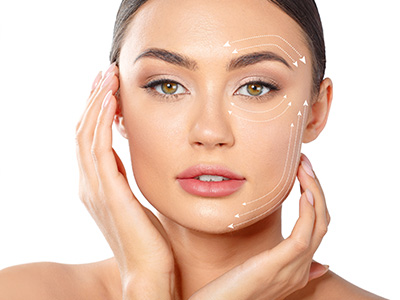
PDO thread therapy uses absorbable sutures placed beneath the skin to provide mechanical lift and stimulate collagen remodeling for gradual improvement in tone and contour. It is most useful for mild to moderate tissue laxity, refining jawline definition, or supporting specific facial segments without open surgery. The procedure is performed in the office and often involves local anesthesia and limited recovery time.
Patients can expect modest lifting effects that improve further over weeks as collagen forms around the threads, and results may be combined with fillers or neuromodulators for a more comprehensive outcome. Thread longevity varies by technique and individual response, and periodic reassessment helps determine when maintenance or additional therapies are appropriate. Proper candidate selection and sterile technique reduce complication risk.
Facial aesthetics complement whole‑health dental care because smile dynamics, jaw position, and oral tissues influence facial proportions and harmony. At Mountain Health Dentistry in Durango, Colorado, we evaluate oral structures alongside aesthetic goals so treatments support both function and appearance. Small aesthetic enhancements can be coordinated with dental procedures to achieve more cohesive, long-term results.
Dental training provides a strong foundation in facial anatomy and tissue behavior, which informs injection placement and planning to respect oral function and bite relationships. When necessary, we coordinate timing and sequencing with restorative or orthodontic care to avoid conflicts and optimize outcomes. This integrated perspective helps preserve both oral health and facial balance.
Common short-term effects include mild swelling, bruising, redness, or tenderness that typically resolve within days to a couple of weeks. Less common but more serious complications can include infection, prolonged swelling, or vascular events with injectable treatments, so prompt recognition and early management are critical. We educate patients on warning signs and provide clear instructions for when to contact the office.
To minimize risk we employ conservative dosing, sterile technique, and careful anatomical planning based on each patient’s history and exam. If a complication arises, our team evaluates the situation and initiates appropriate treatment or referral, documenting findings and communicating follow-up plans. Continuity of care and timely intervention help protect safety and support optimal recovery.