Call Us Today!
(970) 247-2677
New Patients
(970) 233-7384


Blood blisters on the lip are small vascular lesions that can draw attention because of their deep red, blue, or purple color. They often appear as smooth, rounded bumps ranging from a few millimeters up to about a centimeter. While these lesions are usually harmless from a medical standpoint, their visibility on the face can be distressing, and many patients seek professional evaluation for both reassurance and cosmetic improvement.
Assessment begins with a careful visual exam and a brief medical history to rule out other conditions that can look similar, such as bruising from trauma, mucoceles, or certain pigmented lesions. A clinician will also consider the lesion’s behavior — whether it has changed in size, bled, or caused discomfort — to determine the most appropriate course of action. For most people, treatment is elective and focused on restoring a smooth, even appearance.
At the office of Mountain Health Dentistry, we emphasize minimally invasive approaches that preserve surrounding tissue and promote predictable healing. Our goal is to help patients understand their options so they can make informed decisions about treatment. Whether a patient wants to reduce visibility before a special event or prefers a longer-term solution, tailored care plans prioritize safety, comfort, and natural-looking results.
Not every bump on the lip is a blood blister, and the distinction matters for treatment and follow-up. Blood blisters typically have a translucent surface revealing pooled blood beneath, giving them a distinctive coloration. Cold sores, in contrast, are viral lesions that tend to recur and are often accompanied by tingling or pain; canker sores appear inside the mouth and have a white or yellow center with a red halo. Accurate identification avoids inappropriate treatments and ensures timely referral when necessary.
In most cases, a visual diagnosis by an experienced clinician is sufficient. If a lesion has atypical features — rapid growth, irregular pigment, persistent bleeding, or an unusual texture — the provider may recommend additional evaluation to exclude less common conditions. This may include photographic monitoring, dermatoscopic assessment, or referral for biopsy when clinically indicated.
Understanding the difference helps patients set realistic expectations. For benign vascular lesions that represent a blood blister, the aim of treatment is restoration of a smooth, natural lip contour. For other diagnoses, the treatment path may be different, highlighting the importance of professional evaluation rather than at-home attempts to remove or puncture the lesion.
Blood blisters form when small blood vessels near the lip surface dilate or become fragile, allowing blood to pool under the mucous membrane. This pooling creates the characteristic colored papule. Age-related changes in vessel walls, cumulative sun exposure, and repeated minor trauma (such as biting or lip irritation) all play a role in making these vessels more likely to form visible lesions.
Sun exposure is a frequent contributing factor, particularly for lesions on the lower lip where UV damage can weaken tissue and blood vessels over time. Similarly, anticoagulant use or certain medical conditions that affect vessel integrity may increase the likelihood of bruising and vascular spots, though most lip blood blisters arise from benign localized vessel changes rather than systemic illness.
When deciding on treatment, clinicians consider the lesion’s size, location, and cause. Small, stable lesions may be observed, while larger or cosmetically concerning blisters are often addressed with targeted therapies that reduce the visible vessel without extensive disruption to the surrounding lip tissue.
Laser therapy offers a precise, tissue-sparing option for treating blood blisters by targeting the abnormal vessels directly. The laser energy is absorbed by the blood within the lesion, causing the vessel to coagulate and gradually collapse. This process redirects blood flow into deeper, healthier vessels and promotes a smoother surface as the treated tissue heals. Because the laser can be focused very precisely, surrounding tissue typically sustains minimal thermal impact.
In many cases, treatment can be completed quickly during an office visit using topical numbing or no anesthesia at all, depending on patient comfort and lesion sensitivity. Patients often appreciate the speed and low invasiveness of laser therapy, which also reduces the risk of scarring compared with more aggressive surgical techniques. Your clinician will discuss anticipated healing time and whether a single session or multiple visits will be needed for optimal results.
After the procedure, the treated area may show temporary redness or mild crusting as the body removes treated tissue and reestablishes normal circulation. Proper aftercare accelerates recovery and supports the best cosmetic outcome; this typically includes gentle hygiene, sun protection, and avoiding manipulation of the site while it heals. Follow-up visits help the clinician assess progress and address any concerns.
Caring for the treated lip is straightforward but important for achieving a smooth result. Patients are advised to keep the area clean, avoid aggressive rubbing or picking, and protect their lips from sun exposure while healing. Moisturizing with a recommended lip balm and using a broad-spectrum sunscreen on the lips can reduce the risk of recurrence related to UV damage.
Prevention focuses on minimizing known risk factors: using sun protection consistently, avoiding repetitive trauma to the lips, and discussing with your provider any medications or health conditions that might make bruising more likely. Regular check-ins allow clinicians to monitor healing and intervene early if a lesion recurs or changes.
If a lesion develops sudden pain, rapid growth, persistent bleeding, or other unexpected changes, patients should seek prompt evaluation. These signs are uncommon for benign blood blisters and warrant a timely clinical review to ensure there are no other underlying concerns. For routine cosmetic or comfort-related requests, a consultation will outline the safest and most effective options tailored to each patient’s needs.
At Mountain Health Dentistry, we combine careful diagnosis with modern laser techniques to address lip vascular lesions in a way that prioritizes appearance and tissue preservation. Our approach emphasizes clear communication, conservative care when appropriate, and safe, predictable treatment when patients choose intervention. Contact us for more information about blood blister treatment and to discuss whether laser therapy might be a suitable option for you.
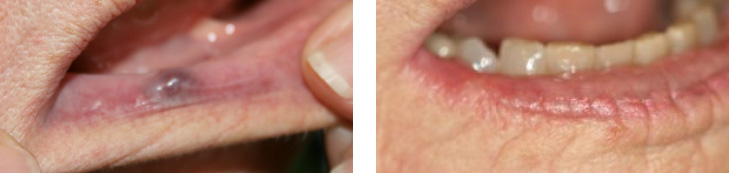
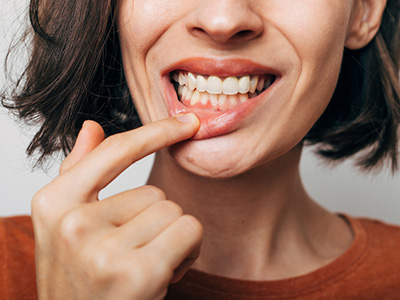
A blood blister on the lip is a small vascular lesion that forms when blood pools beneath the mucous membrane, creating a rounded, often dome-shaped bump. These lesions typically appear red, blue, or purple and may be translucent enough to show the trapped blood beneath the surface. Sizes vary from a few millimeters to about a centimeter, and many are stable and harmless from a medical standpoint.
Although most blood blisters are painless, their location on the face can cause cosmetic concern for patients. Treatment is usually elective and focused on restoring a smooth lip contour rather than addressing an immediate health threat. Observation is an appropriate choice for stable lesions, while intervention is offered for persistent, growing, or cosmetically bothersome blisters.
Diagnosis usually begins with a careful visual examination and a brief medical history to identify any recent trauma, medication use, or systemic conditions that could influence bleeding. Clinicians look for characteristic features such as color, translucency, surface texture, and any signs of bleeding or rapid change. In most straightforward cases, a clinical diagnosis is sufficient and avoids unnecessary tests.
If a lesion has atypical characteristics—rapid growth, irregular pigment, persistent bleeding, or unusual texture—the provider may recommend additional evaluation such as photographic monitoring, dermatoscopic assessment, or referral for biopsy. This targeted approach ensures that other conditions like mucoceles, pigmented lesions, or vascular malformations are not missed. Accurate identification guides appropriate treatment and follow-up planning.
Blood blisters form when small blood vessels near the lip surface dilate or become fragile, allowing blood to collect below the mucosa and create the characteristic bump. Repeated minor trauma such as lip biting, friction from dental appliances, or aggressive exfoliation can precipitate these lesions. Age-related changes in vascular integrity and cumulative sun exposure also make superficial vessels more prone to visible pooling.
Certain medications such as anticoagulants or medical conditions that affect clotting and vessel health can increase the tendency to bruise, though most lip blood blisters stem from localized vessel changes rather than systemic disease. Habitual behaviors like frequent lip licking or harsh lip care products can worsen fragility over time. Understanding these factors helps clinicians recommend prevention strategies alongside any chosen treatment.
Treatment choices range from observation to targeted procedures, depending on lesion size, symptoms, and patient preference. Conservative care includes monitoring, protective measures to avoid further trauma, and sun protection to limit UV-related vessel damage. For patients seeking cosmetic improvement, minimally invasive options such as laser therapy are often preferred because they target abnormal vessels while preserving surrounding tissue.
Other approaches can include electrocautery or surgical excision in select cases, but these methods may carry a higher risk of scarring and are typically reserved for lesions that do not respond to less invasive techniques. A clinician will discuss the expected healing timeline, number of sessions likely needed, and any alternatives so that patients can make an informed decision. The goal is a smooth, natural lip contour with predictable healing.
Laser therapy works by delivering focused energy that is selectively absorbed by blood within the targeted vessels, causing coagulation and collapse of the abnormal vessel. As the treated vessel closes, blood is redirected to deeper, healthier circulation and the raised appearance gradually subsides. The precision of laser treatment minimizes thermal impact to surrounding tissue, which reduces the risk of scarring compared with more invasive procedures.
Because lasers can be tuned to specific wavelengths that vascular tissue absorbs well, many lesions respond quickly and often require only one session, though some cases benefit from staged treatments. Topical numbing or no anesthesia may be used depending on patient comfort and lesion sensitivity. Your clinician will explain the expected outcomes, potential need for repeat treatments, and recommended postprocedure care to optimize results.
During a laser session, the clinician will position the device to deliver brief, targeted pulses to the lesion while protecting adjacent tissue and the patient’s eyes as needed. The procedure is usually quick and performed in the office, with topical numbing used when appropriate to enhance comfort. Many patients describe only mild discomfort, and normal activities can often resume shortly after treatment.
Aftercare typically involves keeping the area clean, avoiding picking or rubbing, and protecting the lips from sun exposure while healing. Temporary redness, mild crusting, or slight swelling are common as treated tissue resolves and new surface contour forms. Follow-up visits allow the clinician to monitor healing, address any concerns, and determine whether additional treatments are necessary for optimal cosmetic outcome.
When performed by an experienced clinician, treatments such as laser therapy are generally safe, but no procedure is without risk. Possible complications include temporary redness or swelling, mild crusting, and in rare cases pigment changes or scarring if healing is atypical. Infection is uncommon when aftercare instructions are followed, but patients should report signs such as increasing pain, spreading redness, or persistent drainage.
Recurrence of a lesion is possible if the underlying triggers remain, and some patients may require additional sessions for full resolution. Discussing medical history, medication use, and expectations with your provider helps reduce risk and ensures appropriate planning. Prompt evaluation of any unexpected changes improves outcomes and allows timely management of complications if they occur.
Prevention focuses on minimizing known risk factors and protecting lip tissue from further damage. Regular use of broad-spectrum sunscreen on the lips, avoiding frequent lip trauma such as biting or aggressive exfoliation, and using gentle, moisturizing lip care products can all help maintain healthy mucosal integrity. Patients who take blood-thinning medications or have clotting disorders should discuss their risks with their clinician to ensure appropriate precautions.
Addressing habits or dental issues that cause repetitive friction, such as ill-fitting appliances or sharp tooth edges, can also reduce recurrence. Routine monitoring and prompt evaluation of any new or changing lesions allow early intervention when needed. Partnering with your provider to identify and modify contributing factors supports longer-term success after treatment.
Patients should seek timely evaluation if a lip lesion shows rapid growth, persistent or unexplained bleeding, increasing pain, or notable changes in color or texture. These signs are uncommon for benign blood blisters and may signal the need for further assessment to exclude other conditions. If a lesion fails to heal over several weeks or recurs frequently, professional review is warranted to determine the appropriate next steps.
Additionally, people with compromised immune systems, bleeding disorders, or significant medication changes should consult a clinician earlier when they notice new lesions. Early assessment allows accurate diagnosis, helps avoid inappropriate home treatments, and enables prompt, conservative management when indicated. Contact your provider to arrange an evaluation whenever you have concerns about a lip lesion.
A specialized dental practice offers clinicians who understand oral mucosa, lip anatomy, and functional considerations that influence both diagnosis and treatment. Providers experienced in laser dentistry and facial aesthetics can deliver precise, tissue-sparing care that balances cosmetic goals with preservation of lip function. This expertise allows for tailored treatment plans that prioritize predictable healing and natural-looking results.
Mountain Health Dentistry combines laser proficiency with a whole-health approach to oral care, enabling coordinated evaluation and treatment within a familiar environment for patients. Working with a practice that integrates advanced technology and conservative planning helps ensure safe, effective management of lip vascular lesions while supporting overall oral health.