Call Us Today!
(970) 247-2677
New Patients
(970) 233-7384


Fractional laser treatments offer a precise way to refresh the skin by targeting small columns of tissue while leaving surrounding areas intact. This approach encourages the body's natural repair mechanisms to produce collagen and elastin, improving texture and tone over time without the wide-area damage associated with older resurfacing techniques. For patients who want noticeable improvement with a controlled recovery, fractional systems present a modern option.
At our practice in Durango, Colorado, we use an erbium-chromium (ErCr) cold fractional laser designed to minimize thermal injury while still creating microchannels that stimulate renewal. Because this device operates with lower heat than traditional CO₂ or Nd:YAG resurfacing lasers, many patients experience less immediate redness and a more comfortable recovery phase. The result is an effective resurfacing method that emphasizes safety and predictability.
Fractional laser therapy is adaptable: treatment intensity, coverage, and depth can be adjusted to meet each patient’s goals. Whether someone is managing subtle signs of aging, addressing textural irregularities, or refining skin clarity, a tailored fractional approach helps balance meaningful results with a manageable downtime. Our goal is to provide treatments that complement your overall facial aesthetic plan while preserving the health of your skin.
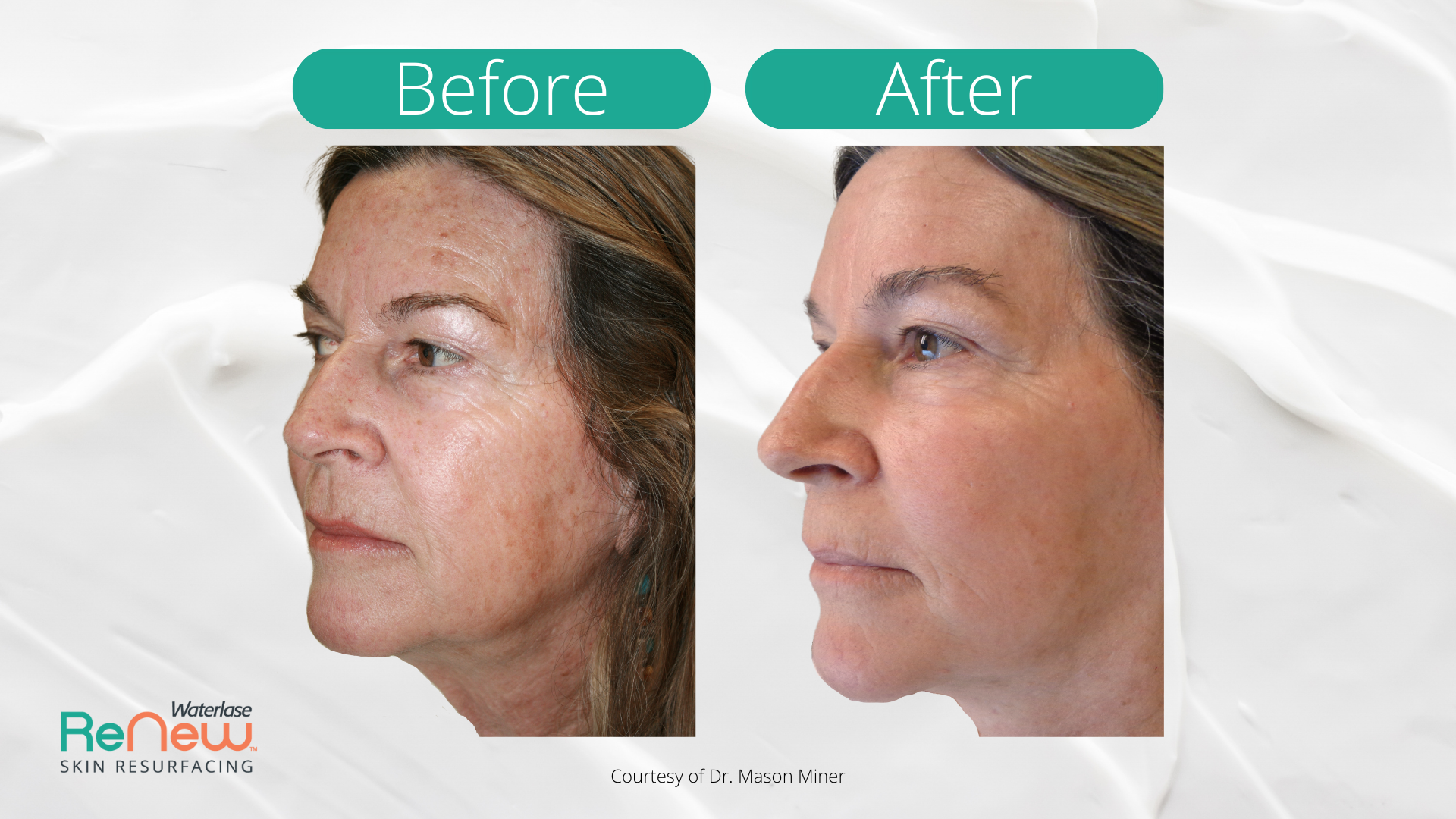
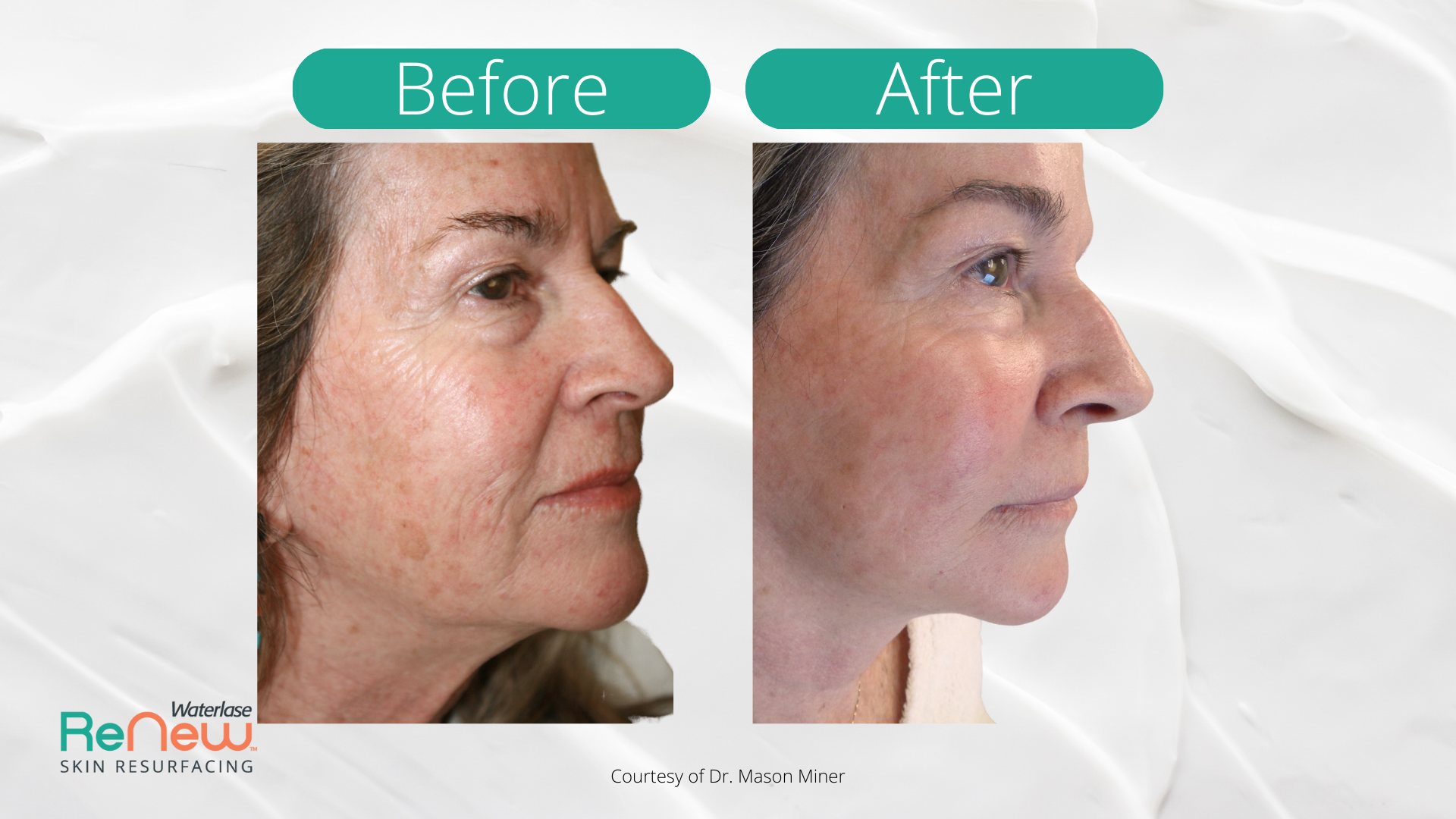
The term "cold" describes a lower-heat delivery profile rather than the absence of energy entirely. Cold fractional devices create tiny columns of controlled injury—microthermal zones—without producing the widespread thermal damage that can prolong recovery. These micro-injuries initiate a focused healing cascade, prompting fibroblasts to lay down new collagen fibers and improving skin architecture from the inside out.
This more conservative thermal footprint makes the treatment suitable for a wider range of skin types and tones. By limiting heat diffusion into surrounding tissue, the cold fractional laser reduces the risk of unwanted pigment changes and hyperpigmentation that can follow more aggressive heat-based resurfacing. That said, proper candidacy and parameter selection remain important; an individualized consultation ensures the safest and most effective plan for each patient.
The versatility of the device also allows clinicians to vary spot density, pulse duration, and depth. These settings let the provider prioritize superficial textural smoothing, deeper collagen stimulation, or a balance of both. Because the delivery is fractional rather than full-field, healthy skin between treatment zones accelerates healing and helps maintain barrier function throughout recovery.
Fractional resurfacing is used to improve a broad spectrum of common cosmetic concerns. It can soften the appearance of fine lines and shallow wrinkles by encouraging collagen remodeling, and it smooths irregular texture caused by acne scarring, enlarged pores, or sun damage. Patients also often see improvement in blotchy pigment and uneven skin tone as older, damaged cells are replaced during the healing process.
Beyond texture and tone, fractional laser therapy can be effective on delicate areas such as the lower face and neck when performed with conservative settings. Because parameters are customizable, the treatment can be tailored to focus on specific trouble spots rather than applying a one-size-fits-all approach. That targeted flexibility makes fractional lasers useful as part of a graduated plan for skin improvement.
It’s important to set realistic expectations: while many patients notice visible improvement after a single session, optimal outcomes often require a series of treatments spaced appropriately. During your consultation, the provider will discuss anticipated benefits for your particular concerns and explain how fractional therapy can be combined safely with other aesthetic options when appropriate.
A typical fractional laser visit begins with a focused evaluation and selection of device settings based on skin type and treatment goals. Topical numbing is commonly applied to enhance comfort, and sessions can range from brief touch-ups to longer, more intensive passes depending on the targeted depth and area. Most patients describe sensations that are manageable—warmth, slight stinging, or a prickly feeling during the procedure.
Immediately after treatment, it’s normal to experience mild redness, warmth, and a sandpaper-like tightness as the skin begins its repair. Because the laser works fractionally, most people retain some normal skin between treated columns, which helps speed recovery. Over the following days the treated areas will slough gently and reveal smoother, more even skin beneath; precise aftercare instructions help optimize outcomes and minimize complications.
Post-treatment care typically emphasizes sun protection, gentle cleansing, and the use of recommended emollients or barrier-repair products. Patients should avoid aggressive exfoliation or chemical peels until the skin has fully healed. Follow-up visits allow the clinician to assess progress and make adjustments to future treatments based on how your skin responds.
Fractional laser treatments work by jump-starting a remodeling process that continues for weeks to months, so results evolve over time. Collagen synthesis and tissue reorganization produce gradual improvements in firmness, texture, and tone. For many patients, a short series of sessions provides a meaningful lift in skin quality, followed by periodic maintenance treatments to sustain results as natural aging continues.
Maintaining sun-safe habits and a proper skincare routine supports long-term outcomes and helps protect the gains achieved with laser therapy. When appropriate, fractional resurfacing can be integrated into a broader facial aesthetics strategy alongside injectables, fillers, or other noninvasive procedures to achieve balanced, natural-looking rejuvenation. The decision to combine treatments is made with attention to timing and skin health to maximize safety and efficacy.
Our team at Mountain Health Dentistry approaches facial aesthetics with the same emphasis on careful planning and measurable results that informs our dental care. During a consultation, we’ll review your skin history, examine the areas of concern, and recommend a personalized pathway that aligns with your goals, lifestyle, and tolerance for downtime. If you’d like to learn whether fractional laser therapy is a good fit for you, contact us to discuss your options and arrange an in-person evaluation.
Fractional laser skin treatment is a resurfacing procedure that creates microscopic columns of controlled injury in the skin to stimulate collagen and elastin production. By treating a fraction of the skin at a time, surrounding untreated tissue accelerates healing and helps preserve barrier function. This targeted approach improves texture, tone, and fine lines while limiting downtime compared with older full-field resurfacing.
Modern fractional systems are designed to balance efficacy and safety by varying spot density, pulse duration, and depth. Clinicians select settings to emphasize either superficial smoothing or deeper collagen remodeling depending on patient needs. A consultation establishes the appropriate plan and expectations for each individual.
Cold fractional erbium-chromium devices deliver brief, controlled pulses that create microthermal zones without producing widespread thermal damage. The term "cold" refers to a lower-heat delivery profile that reduces heat diffusion into adjacent tissue while still initiating a repair cascade. These micro-injuries prompt fibroblasts to lay down new collagen and remodel the dermal matrix over time.
Lower thermal spread decreases the likelihood of prolonged redness and some pigmentary complications compared with higher-heat resurfacing lasers. Providers can adjust density and depth to prioritize surface texture or deeper structural improvement. Careful parameter selection and candidacy evaluation are essential for predictable, safe outcomes.
Fractional lasers help soften fine lines, reduce shallow wrinkles, and smooth irregular texture from acne scarring or sun damage. They can also refine enlarged pores and promote a more even skin tone by replacing damaged superficial cells during the healing process. With conservative settings, the treatment may be applied to delicate areas such as the lower face and neck.
Many patients notice visible improvement after a single session, but optimal results for deeper texture or scarring often require a short series of treatments spaced appropriately. The fractional approach allows clinicians to target specific trouble spots rather than using a one-size-fits-all method. A tailored protocol is developed based on the severity and location of the concern.
Good candidates are adults in overall good health who seek improvement in skin texture, tone, or mild to moderate signs of aging and who maintain realistic expectations. Cold fractional erbium-chromium systems expand suitability across a broader range of skin tones when parameters are carefully selected by an experienced clinician. Individuals with active skin infections, recent isotretinoin use, or certain pigmentary disorders should discuss medical history with the provider before proceeding.
An in-person evaluation at our Durango, Colorado office determines candidacy by reviewing skin type, prior procedures, and aesthetic goals. Skin care habits and recent sun exposure can influence timing and parameter choices. The clinician will explain alternatives and any preparatory steps needed to reduce risk and improve outcomes.
A typical visit begins with a focused evaluation and selection of device settings tailored to the target area and the desired depth of correction. Topical anesthesia is commonly applied to enhance comfort, and patients may experience warmth, mild stinging, or a prickly sensation during the procedure. Session length varies with the treatment area and intensity, ranging from brief touch-up passes to longer resurfacing sessions.
Because the delivery is fractional, most people retain some normal skin between treated columns, which helps minimize downtime and accelerate recovery. Providers monitor skin response and may adjust settings during the visit to balance efficacy and tolerance. Post-procedure care and precise recovery expectations are reviewed before the patient leaves the office.
Immediately after treatment, mild redness, warmth, and a sandpaper-like tightness are common as the skin begins to heal. Treated areas often slough gently over several days to reveal smoother skin, while preserved skin between microzones supports barrier recovery. Comfort measures such as cool compresses and recommended emollients help manage early symptoms.
Aftercare focuses on strict sun protection, gentle cleansing, and avoidance of aggressive exfoliation or irritating products until full re-epithelialization occurs. Your provider may recommend specific barrier-repair creams and sunscreen formulations to support healing and reduce the risk of pigmentary changes. Follow-up visits allow the clinician to monitor progress and advise on timing for any additional treatments.
The number of sessions depends on treatment goals, the degree of skin damage, and the chosen treatment depth; many patients benefit from a short series spaced several weeks apart. Superficial improvements can be visible within days to weeks, while collagen remodeling continues for months to produce firmer, more resilient skin. A personalized plan outlines the expected timeline and milestones based on individual response.
Periodic maintenance treatments may be recommended to sustain improvements as part of a long-term skin health strategy. Combining fractional resurfacing with a consistent daily skincare routine and sun protection helps preserve gains. Your clinician will review measurable expectations and adjust the schedule according to observed results.
Fractional delivery treats microscopic columns of tissue while leaving surrounding skin intact, which generally shortens recovery compared with full-field CO2 resurfacing that ablates the entire surface. Cold erbium-chromium systems reduce thermal spread and therefore offer a gentler profile suited to less aggressive resurfacing goals. The choice between fractional and full-field approaches depends on the depth of correction needed and the patient’s tolerance for downtime.
Full-field CO2 remains a powerful option for advanced resurfacing but carries higher risks of prolonged redness and pigment changes, particularly in darker skin types. Other lasers, such as Nd:YAG, interact differently with tissue and are often selected for vascular concerns or deeper dermal treatment rather than surface texture alone. A qualified clinician evaluates comparative benefits and recommends the safest, most effective modality for each case.
Short-term effects commonly include redness, swelling, and a gritty or tight sensation as treated skin heals, and these typically resolve within days to a few weeks depending on intensity. Less common but important risks include prolonged hyperpigmentation, hypopigmentation, infection, or scarring when treatment parameters are not appropriately matched to skin type or when aftercare is inadequate. Careful patient selection, proper device operation, and adherence to pre- and post-procedure instructions reduce the likelihood of complications.
Patients should disclose medications, recent procedures, and health conditions that could affect healing, such as immune suppression or recent isotretinoin use. Avoiding sun exposure before and after treatment and following the provider’s aftercare recommendations significantly lowers the risk of pigmentary changes. Any concerning symptoms during recovery should prompt timely contact with the treating clinician for assessment.
Fractional resurfacing complements other noninvasive options such as injectables and energy-based procedures by improving texture and stimulating collagen while preserving natural facial contours. Treatment sequencing and timing are planned to avoid overlapping healing phases and to maximize combined benefits, with a focus on balanced, natural-looking rejuvenation. A comprehensive approach considers skin health, lifestyle, and realistic outcome measures to achieve long-term results.
To discuss whether fractional laser therapy is right for you, schedule a consultation with Mountain Health Dentistry in Durango, Colorado to review your skin history and receive a personalized recommendation. During that visit, the provider will examine target areas, explain anticipated outcomes, and outline a safe, individualized treatment pathway. If additional procedures are appropriate, the team will coordinate timing to protect skin health and optimize results.