Call Us Today!
(970) 247-2677
New Patients
(970) 233-7384


Nitrous oxide, often called "laughing gas," is a widely used inhaled sedative that helps patients feel calm and comfortable during dental care. It’s a flexible option that can ease anxiety, soften a sensitive gag reflex, and make longer or more detailed treatments feel more manageable. Delivered in a controlled, reversible way, nitrous oxide lets patients stay awake and responsive while experiencing a quieter, more relaxed appointment.
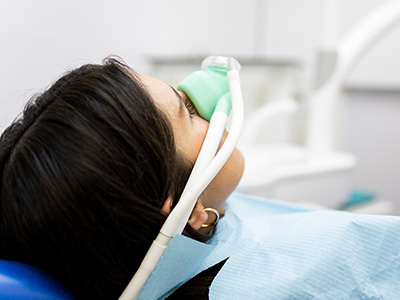
At its simplest, nitrous oxide is a colorless gas blended with oxygen and breathed through a small nasal mask for the duration of treatment. The clinician adjusts the mix in real time to achieve a predictable level of relaxation—enough to calm nerves without putting the patient to sleep. Because the effect is titratable, practitioners can fine-tune the experience for each individual, making it suitable for a wide range of patients.
Most people report a pleasant sense of lightness and reduced tension rather than heavy sedation. Communication with the dental team remains possible throughout the procedure, which supports safety and allows the clinician to monitor comfort and responsiveness continuously. This combination of control and simplicity is why nitrous oxide remains a cornerstone of conscious sedation in general and pediatric dentistry.
Used responsibly, nitrous oxide can make visiting Dr. Miner more accessible for people who otherwise avoid care because of fear. It doesn’t replace more intensive sedation techniques when those are needed, but it often provides a low-risk, effective way to improve the patient experience and support successful treatment outcomes.
Nitrous oxide is an anxiolytic inhalant paired with oxygen to create a stable, mild sedative state. It’s commonly recommended for patients with dental anxiety, children who benefit from shorter, gentler interventions, and adults who have a strong gag reflex or need multiple, staged appointments. Because patients remain conscious and can follow instructions, it’s particularly useful when teamwork between the patient and provider matters.
Nitrous oxide calms the central nervous system by modulating sensory input and reducing the conscious perception of stress. Its onset is rapid—patients typically begin to feel effects within a few breaths—and because it’s mixed with oxygen, clinicians can maintain safe oxygen levels while administering sedation. This fast-acting nature also means adjustments take effect quickly, allowing precise control over the depth of relaxation.
One of the strongest safety features of nitrous oxide is its reversibility. When the gas is discontinued and oxygen is given alone, the sedative effects dissipate within minutes. That rapid recovery distinguishes nitrous oxide from oral or deeper sedative options and makes it a convenient choice for many routine and restorative procedures.
Modern nitrous oxide systems include scavenging mechanisms and flow controls that minimize environmental exposure and ensure accurate dosing. Trained dental professionals follow established protocols for monitoring, patient evaluation, and equipment maintenance to further reduce risk and maintain predictable results.
Administration begins with a brief health review to confirm suitability and identify any medical considerations. A soft nasal mask is placed over the nose, and the provider sets an initial blend of nitrous oxide and oxygen. The mix is increased or decreased based on the patient’s comfort, breathing, and verbal feedback. Throughout the treatment, the dental team observes vital signs and responsiveness to ensure the patient remains comfortable and safe.
Before starting, the team will explain the process and answer questions so patients know what to expect. Once the gas is introduced, most people notice a gentle sense of warmth or tingling and a reduced focus on uncomfortable sensations. It’s common to feel relaxed and mildly detached from anxiety without losing awareness of the procedure or the ability to follow instructions.
Because nitrous oxide is administered continuously, changes in relaxation can be made instantly. If a patient needs more assurance, the clinician can increase the concentration slightly; if someone feels too relaxed, it can be reduced immediately. At the end of treatment, the nitrous oxide is turned off and patients breathe pure oxygen for a few minutes to flush the system.
Afterward, most patients are able to leave the office and resume normal activities within a short period. Driving or returning to demanding tasks is typically permitted soon after recovery, but individual guidance from Dr. Miner will always take precedence based on the specific treatment performed and the patient’s response.
Nitrous oxide is appropriate for many patients, including children and adults who need a mild sedative that is fast-acting and easy to control. That said, a brief medical screening is important to rule out contraindications—such as certain respiratory conditions, recent ear or sinus surgery, or specific vitamin B12 deficiencies—where nitrous oxide might not be recommended. A candid conversation about medical history helps the dental team choose the safest approach.
For pediatric patients, nitrous oxide is often preferred because it avoids needles and allows the child to remain calm without being unconscious. The dose is scaled by need rather than weight alone, and the clinician watches for behavioral cues as well as usual clinical signs. Parents are encouraged to discuss any concerns ahead of time so the team can tailor the experience for each child.
When nitrous oxide is not appropriate, there are other options the practice may discuss to help patients tolerate care safely. The choice of sedation should always balance patient comfort, medical history, and the complexity of the planned procedure.
Nitrous oxide offers several clear advantages: it’s fast-acting, easily titratable, and reverses quickly once administration stops. Those properties make it an excellent first-line option for managing mild to moderate dental anxiety and for improving cooperation during procedures. It also has a strong safety profile when used by trained professionals and when patients are properly screened.
However, nitrous oxide is not intended for every situation. For extensive oral surgery, very invasive procedures, or cases where deep sedation is medically indicated, other anesthesia approaches may be more appropriate. Discussing the goals of treatment and any medical concerns with the dental team will help determine whether nitrous oxide is the best choice for a particular appointment.
When used thoughtfully, nitrous oxide can become part of a broader strategy to make dental care more accessible and less stressful. For patients who previously avoided dental visits, a positive nitrous oxide experience can build confidence and establish a pathway toward routine preventive care. It can also make it easier to complete necessary restorative work in fewer visits by improving patient tolerance for longer appointments.
Clinicians often combine nitrous oxide with local anesthesia to eliminate pain while controlling anxiety, creating a balanced approach that addresses both sensation and stress. The overall goal is to support oral health with minimal trauma and maximum cooperation, helping patients achieve reliable, long-lasting outcomes without unnecessary fear.
If you’re considering nitrous oxide for an upcoming visit, bring any questions or medical history details to your appointment so the team can make a clear, personalized recommendation. When chosen and delivered properly, nitrous oxide is a safe, effective tool that helps patients receive the dental care they need with greater comfort.
In summary, nitrous oxide is a practical, controllable means of easing dental anxiety and improving the patient experience. Mountain Health Dentistry offers careful evaluation and expert administration to help patients stay comfortable and informed during treatment. If you’d like to learn more about how nitrous oxide might fit into your care plan, please contact us for additional information.
Nitrous oxide, commonly called laughing gas, is a mild inhaled sedative mixed with oxygen to produce a calm, relaxed state while the patient remains awake and responsive. It reduces anxiety, softens an overactive gag reflex, and makes longer or more detailed procedures easier for many patients to tolerate. Because the clinician can adjust the gas mixture in real time, the level of relaxation is predictable and tailored to individual needs.
Most people describe a pleasant sense of lightness, warmth, or tingling rather than deep sedation, and they are typically able to follow instructions and answer questions during treatment. This controlled, reversible effect makes nitrous oxide an effective option for routine restorative work, preventive care, and pediatric dentistry. As a frequently used conscious sedation method, it helps patients receive necessary care with less stress and better cooperation.
Administration begins with a short health review to confirm suitability and identify any medical considerations, after which a small soft nasal mask is placed over the nose. The provider sets an initial blend of nitrous oxide and oxygen and adjusts the concentration based on the patient’s breathing, verbal feedback, and observed comfort. Modern delivery systems include flow controls and scavenging mechanisms that ensure accurate dosing and reduce environmental exposure.
Throughout the procedure, the dental team monitors the patient’s responsiveness and, when appropriate, basic vital signs to confirm safety and comfort. Because nitrous oxide takes effect quickly and is titratable, changes in relaxation occur rapidly and can be fine-tuned as treatment progresses. When the procedure is finished, the gas is stopped and oxygen is given alone for a few minutes to speed recovery.
Nitrous oxide has a strong safety record when used by trained dental professionals and when patients are properly screened for contraindications. Common short-term effects are mild and transient, such as lightheadedness, tingling, or a subtle sense of euphoria; these typically resolve quickly once administration stops. More significant adverse reactions are uncommon, but clinicians remain vigilant and follow protocols to reduce risk.
Because the sedative effects wear off within minutes after oxygen is given alone, recovery is rapid compared with many oral or deeper sedation methods, allowing most patients to resume normal activities shortly after their appointment. Any persistent or unusual symptoms should be reported to the dental team so they can assess and advise on next steps. Open communication about medical history and current medications helps minimize the likelihood of side effects.
Certain medical conditions and recent procedures may make nitrous oxide an unsuitable choice, so a candid health history is important before scheduling. Contraindications can include some respiratory disorders, recent ear or sinus surgery, and known vitamin B12 deficiency, among other considerations evaluated by the clinician. Pregnancy in the early stages and certain psychiatric or neurological conditions may also prompt additional discussion and alternative approaches.
If nitrous oxide is not recommended, the dental team can discuss other options to ensure the patient receives comfortable, safe care. Pre-appointment screening and clear communication about current health status allow the provider to choose the most appropriate sedation strategy. When in doubt, patients should share any recent surgeries, ongoing treatments, or chronic conditions during their evaluation.
Nitrous oxide is frequently used in pediatric dentistry because it avoids needles and allows children to remain awake while becoming calm and cooperative for treatment. The dose is guided by behavioral cues and clinical response rather than weight alone, and the clinician continually evaluates the child’s comfort and responsiveness throughout the appointment. Parents are encouraged to discuss any concerns or behavioral history in advance so the team can tailor the approach.
Before treatment, staff will explain the process to both parent and child and perform a brief health assessment to confirm suitability. During and after the procedure, the child is supervised closely and given oxygen alone for a short recovery period, after which most children are ready to go home with no prolonged grogginess. Clear instructions about arrival and any pre-appointment preparations help ensure a smooth experience for young patients.
Prior to an appointment where nitrous oxide will be used, provide a complete medical history and tell the dental team about recent surgeries, medications, and any chronic conditions so they can determine suitability. Generally, no special fasting is required for nitrous oxide alone, but follow any specific instructions given by the provider based on the planned procedure. Bringing a list of current medications and any questions helps the team prepare the safest, most comfortable plan.
After treatment, the nitrous oxide is discontinued and the patient breathes pure oxygen for a few minutes to clear the gas, allowing effects to subside rapidly. Most people are able to resume normal activities and driving soon after recovery, but individual guidance from the dentist should always take precedence based on the complexity of the procedure and the patient’s response. If you have concerns about post-appointment symptoms, contact Mountain Health Dentistry to speak with the care team for personalized advice.
Nitrous oxide provides a lighter, more controllable form of sedation than oral medications or general anesthesia and is typically used for mild to moderate anxiety or cooperative challenges. Its key advantages are rapid onset, precise titration, and swift recovery once administration stops, which contrasts with oral sedatives that have longer, less predictable durations. General anesthesia, which renders a patient unconscious, is reserved for more invasive or complex procedures where deeper sedation is medically necessary.
The choice among these options depends on the patient’s medical history, the nature of the treatment, and the level of anxiety or procedural complexity. Dentists will weigh risks and benefits and may recommend combining nitrous oxide with local anesthesia to manage pain while keeping the patient calm. Open discussion with the dental team ensures the selected method aligns with safety and comfort goals.
Yes; nitrous oxide is commonly used alongside local anesthesia to control anxiety while the local agent blocks pain at the treatment site. This combination allows the patient to remain comfortable and cooperative without needing deeper sedation, making many restorative and periodontal procedures more efficient and less stressful. The dental team coordinates the timing and doses of both modalities to optimize comfort and safety.
In situations where additional anxiety control is required, clinicians may discuss alternative or supplemental sedation options, but these decisions are individualized based on medical history and the planned procedure. Combining therapies is a practical way to address both sensation and stress while minimizing overall risk and recovery time.
Nitrous oxide takes effect within a few breaths, producing noticeable relaxation rapidly and allowing clinicians to adjust the level of sedation moment to moment. Because the gas is continuously administered, practitioners can increase or decrease concentration quickly to achieve the desired effect for the duration of the procedure. This immediacy offers predictable control over the patient’s comfort and responsiveness.
When the nitrous oxide is stopped and oxygen is supplied alone, the sedative effects dissipate within minutes, resulting in fast recovery for most patients. That brief recovery window is a primary reason many people can resume normal activities soon after their appointment, although individual guidance from the provider should always be followed. Any lingering symptoms should be reported to the dental team for assessment.
Safe nitrous oxide administration depends on thorough patient screening, properly maintained delivery systems, and clinicians trained in sedation protocols and emergency response. Modern equipment includes flow controls and scavenging systems to limit environmental exposure and deliver accurate gas mixtures, and regular maintenance and calibration are part of standard practice. Providers also follow established guidelines for monitoring and documenting patient response throughout treatment.
At each visit, the team reviews the patient’s medical history, explains the process, and remains attentive to verbal and physical cues during sedation to ensure comfort and safety. Mountain Health Dentistry integrates these precautions into routine care so patients receive predictable, respectful sedation tailored to their needs. If you have questions about protocols or would like more information on how nitrous oxide is managed, the practice can provide details specific to your appointment.