Call Us Today!
(970) 247-2677
New Patients
(970) 233-7384


Gum disease is an infection that begins below the gum line and, if left untreated, can compromise the structures that support a tooth. Laser-assisted periodontal treatment offers a targeted way to manage that infection while focusing on tissue preservation. By using focused light energy, clinicians can reduce bacterial load and remove diseased tissue without the extensive cutting and sutures associated with older surgical approaches.
This approach aligns with a tooth-preserving philosophy: the goal is to halt disease progression, encourage the body’s natural healing, and maintain as much healthy gum and bone as possible. For patients, that often means fewer complications, less discomfort, and better long-term prognosis for natural teeth. In our practice, the emphasis is always on conservative, evidence-informed options that support lasting oral health.
Laser therapy is not a cosmetic add-on; it is a clinical tool with practical benefits. It enhances visualization during procedures, allows for precise removal of infected tissue, and supports disinfection in areas that are difficult to treat with instrumentation alone. When combined with careful diagnosis and ongoing maintenance, lasers can be an important part of a comprehensive periodontal care plan.
A typical appointment begins with a thorough evaluation of pocket depths, gum inflammation, and overall oral health. After discussing findings and treatment goals, the clinician will explain the role of laser therapy within the recommended plan. Treatment is performed with local anesthesia as needed, and many patients report minimal sensitivity during the procedure thanks to the minimally invasive nature of the laser.
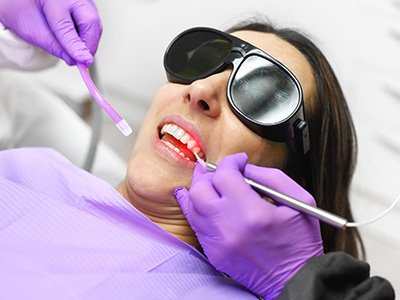
During treatment, the laser is used to selectively remove diseased soft tissue and to disinfect the pocket environment. The device’s energy is absorbed by targeted tissue and bacteria, which helps reduce infection and stimulates a controlled healing response. Because the laser can coagulate small blood vessels and seal tissue, there is typically less bleeding and fewer postoperative dressings or sutures compared with conventional flap surgery.
After the appointment, patients receive clear aftercare instructions tailored to their situation. Healing timelines vary, but most people experience reduced swelling and discomfort compared with traditional surgery. Follow-up visits allow the clinician to monitor tissue response, reinforce home care practices, and adjust the maintenance schedule to protect the results moving forward.
One of the most important clinical advantages of laser-assisted periodontal treatment is its ability to reduce bacterial populations in periodontal pockets without broad-spectrum disruption of the oral environment. Lasers can reach nooks and groove areas where mechanical instruments may struggle, enhancing the clinician’s ability to manage infection in a focused way. This precise action supports cleaner pockets and healthier tissue margins.
Beyond disinfection, lasers encourage a healing environment by promoting clot stability and reducing inflammatory burden. The thermal effect seals small blood vessels and nerve endings, which helps limit bleeding and discomfort right after treatment. Less trauma to surrounding healthy tissue also means the body can direct resources to repair and regeneration rather than managing collateral injury.
For many patients, those clinical improvements translate into practical benefits: shorter recovery times, reduced need for analgesics, and an overall gentler treatment experience. Importantly, laser therapy complements — rather than replaces — good periodontal technique and supportive care; its success depends on accurate diagnosis, careful technique, and patient adherence to a personalized maintenance plan.
Laser-assisted therapy is a versatile option, but it is not a one-size-fits-all solution. Ideal candidates are adults with active periodontal pockets, bleeding on probing, chronic inflammation, or sites that have not responded fully to non-surgical scaling and root planing. The decision to use a laser is clinical and individualized, based on pocket depth, tissue condition, medical history, and the patient’s goals for treatment.
Certain systemic conditions, medication profiles, or anatomic factors may influence the recommended approach, so a careful medical and dental history is essential. During an evaluation in Durango, Colorado, our clinicians review imaging, periodontal charting, and patient concerns to determine whether laser therapy is appropriate alone or as part of a combined strategy that might include mechanical debridement or supportive periodontal therapies.
Ultimately, candidacy revolves around realistic expectations and a partnership between the patient and clinician. Those who commit to improved home care, regular monitoring, and periodontal maintenance tend to achieve and sustain the best results after laser-assisted procedures.
Successful periodontal care doesn’t end when the procedure is complete. Laser-assisted treatment is most effective when integrated into a comprehensive program of ongoing prevention and monitoring. That means scheduled maintenance visits to reassess pocket depths, professional cleanings tailored to the patient’s needs, and clear home-care strategies to control biofilm and inflammation between appointments.
Behavioral factors such as smoking, uncontrolled diabetes, and inconsistent oral hygiene can undermine even the best clinical care, so education and support are key components of any treatment plan. Our team emphasizes collaboration: we provide the clinical tools and expertise, and we work with patients to build sustainable habits that preserve results and reduce the likelihood of disease recurrence.
At Mountain Health Dentistry, we prioritize conservative, evidence-based therapies that help patients keep their natural teeth for life. Laser-assisted periodontal treatment is one of several modalities we use to achieve that goal, selected when it offers a clear clinical benefit for infection control, tissue preservation, and patient comfort.
In summary, laser-assisted periodontal treatment is a precise, minimally invasive option for managing gum disease that complements traditional periodontal techniques. It can improve infection control, reduce postoperative discomfort, and support faster tissue recovery when used as part of a carefully planned course of care. If you’d like to learn more about whether this treatment could be right for you, please contact us for more information.
Laser-assisted periodontal treatment uses focused light energy to target infected tissue and bacteria below the gum line while preserving surrounding healthy structures. The laser energy can disinfect periodontal pockets and selectively remove diseased soft tissue without the larger incisions and sutures associated with traditional flap surgery. This approach is a clinical tool used to enhance infection control and support tissue healing as part of a comprehensive periodontal plan.
The goal of the procedure is to halt disease progression, encourage controlled healing, and maintain natural gum and bone whenever possible. Because the technique is conservative, many patients experience less intraoperative bleeding and a reduced inflammatory response compared with more invasive options. Laser therapy is intended to complement sound periodontal techniques, not to replace diagnostic care, mechanical debridement, or ongoing maintenance.
Traditional periodontal surgery often involves creating flaps, making larger incisions, and placing sutures to gain access for cleaning and reshaping tissues. Laser therapy, by contrast, uses concentrated light energy to remove diseased tissue and reduce bacterial load with minimal cutting, which can lead to less bleeding and fewer sutures in many cases. The laser also improves visualization by shrinking inflamed tissue and allowing clinicians to work in tighter, more precise areas.
Despite these advantages, lasers do not eliminate the need for accurate diagnosis or effective mechanical cleaning of root surfaces when indicated. Some situations still require conventional surgical access, grafting, or regenerative techniques, and a clinician will determine the best combination of tools for each patient. The choice between approaches is individualized based on pocket depth, tissue condition, anatomy, and overall treatment goals.
A typical appointment begins with a comprehensive evaluation that includes periodontal charting, assessment of pocket depths, and a review of medical and dental history. After discussing findings and treatment goals, the clinician reviews the role of the laser within the proposed plan and obtains any necessary consents before beginning treatment under local anesthesia as needed. Many patients report minimal discomfort during the procedure because the laser is minimally invasive and can coagulate small vessels as it works.
During the procedure, the laser is used to disinfect pockets and remove infected soft tissue while the clinician carefully monitors tissue response. The energy delivered by the device helps reduce bacterial populations and promotes a controlled healing environment by sealing small blood vessels and nerve endings. At the conclusion of treatment, patients receive clear aftercare instructions and a follow-up schedule to monitor healing and reinforce home-care practices.
Clinically, lasers can reduce bacterial populations in periodontal pockets and reach anatomically challenging areas where mechanical instruments may fall short. The focused energy also encourages clot stability and reduces acute inflammation, which helps limit bleeding and postoperative discomfort in many cases. These effects can create a cleaner wound environment that supports the body’s natural reparative processes.
Because lasers can coagulate small blood vessels and seal tissue margins, patients often experience less immediate postoperative trauma and faster soft-tissue recovery when compared with more invasive surgical approaches. Reduced trauma to adjacent healthy tissue allows the body to concentrate resources on repair rather than on managing collateral injury. It is important to remember that laser therapy works best when combined with accurate diagnosis, meticulous technique, and a personalized maintenance plan.
Ideal candidates are adults with active periodontal pockets, persistent bleeding on probing, chronic inflammation, or sites that have not fully responded to non-surgical scaling and root planing. The decision to recommend laser therapy is individualized and based on clinical findings such as pocket depth, tissue quality, medical history, and patient treatment goals. Certain systemic conditions, medication profiles, or anatomical considerations may affect candidacy, so a thorough clinical and medical review is required.
During an evaluation in Durango, Colorado clinicians review imaging, periodontal charting, and patient concerns to determine whether laser therapy is appropriate alone or as part of a combined strategy. Patients who are willing to commit to improved home care and regular periodontal maintenance typically achieve and sustain the best outcomes. The final treatment plan balances clinical benefit, patient preference, and long-term gum health objectives.
As with any clinical procedure, laser-assisted periodontal treatment carries potential risks that are generally uncommon when performed by an experienced operator. Patients may experience transient sensitivity, mild swelling, or minor discomfort during the healing period, and rare complications such as thermal injury can occur if devices are not used correctly. A careful medical and dental history, proper device selection, and precise technique minimize these risks.
Certain conditions or medications may require special consideration prior to treatment, so clinicians obtain a detailed history and review any relevant systemic factors. Good communication about symptoms and adherence to postoperative instructions help reduce the likelihood of adverse events. If a complication does arise, the clinician will assess the situation promptly and provide appropriate guidance for recovery.
Preparation begins with a comprehensive consultation during which the clinician reviews your periodontal charting, medical history, and any medications you take. Follow any preoperative instructions provided by the office, and bring a current list of medications and health conditions so that the team can evaluate interactions or special precautions. Patients should maintain good oral hygiene up to the procedure and discuss habits such as smoking that can affect healing.
If you are prescribed antimicrobial rinses or other adjuncts prior to treatment, follow those directions carefully to reduce bacterial burden before the appointment. Arrange transportation if you expect to receive sedation beyond local anesthesia, and plan for a day of light activity afterward to support recovery. Clear communication with the clinical team ensures the safest and most effective treatment experience.
Recovery timelines vary with the extent of treatment, but many patients experience reduced swelling and discomfort compared with traditional surgery. Immediate postoperative care commonly includes gentle oral hygiene measures, short-term soft-food recommendations, and any prescribed topical or rinse-based anti-infective agents. Clinicians provide specific instructions on oral hygiene techniques and activity restrictions to protect healing tissues.
Follow-up visits are essential to reassess pocket depths, monitor tissue response, and reinforce home care. Periodic professional maintenance cleanings and periodontal reassessments help preserve treatment benefits over time. If areas do not respond as expected, the clinician will discuss next steps, which may include additional non-surgical or surgical approaches tailored to the individual patient.
Laser therapy is most effective when integrated into a comprehensive program of prevention, monitoring, and maintenance rather than used as a standalone cure. Long-term success depends on scheduled maintenance visits, consistent home care to control biofilm, and management of behavioral or systemic risk factors such as smoking or diabetes. Regular periodontal charting and imaging allow clinicians to detect early changes and intervene promptly.
Successful plans combine clinical tools, patient education, and ongoing support to reduce the likelihood of disease recurrence. At Mountain Health Dentistry the emphasis is on conservative, evidence-informed strategies that preserve natural teeth and promote sustainable oral health. Collaboration between the patient and clinician is central to maintaining periodontal stability over the long term.
Mountain Health Dentistry offers laser-assisted periodontal care as part of a whole-health, tooth-preserving philosophy that emphasizes conservative, precise techniques. The practice uses advanced laser technology alongside thorough diagnostic evaluation to tailor treatments to individual needs, and team members trained in laser protocols prioritize safety, accuracy, and patient comfort. When appropriate, laser therapy is combined with mechanical debridement and maintenance strategies to achieve balanced clinical outcomes.
Choosing a provider with experience in laser dentistry helps ensure proper device selection, technique, and follow-up care, all of which influence results. Mountain Health Dentistry’s approach integrates modern technology with evidence-informed periodontal methods to support long-term oral health while minimizing unnecessary tissue trauma. Patients considering laser-assisted care are encouraged to schedule a consultation to review clinical findings and develop a personalized plan.