Call Us Today!
(970) 247-2677
New Patients
(970) 233-7384


We welcome patient self-referrals as well as referrals from fellow dental professionals.
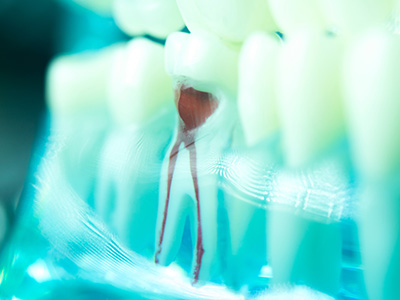
When we talk about “natural implants,” we mean the tooth in its entirety—the root and crown working together to maintain chewing function, bone structure, and facial support. Whenever possible, conserving a patient’s own tooth is the most conservative path to long-term oral health. Saving the root keeps natural anatomy intact, reduces the need for additional procedures, and can preserve bone in ways that prosthetics cannot fully replicate.
Decisions about saving a tooth are never one-size-fits-all. They are made after a careful assessment of the tooth’s structure, the condition of the surrounding bone, the presence of infection, and the patient’s overall health goals. Our philosophy centers on offering tooth-sparing options first, then moving to replacement solutions only when preservation is no longer predictable or in the patient’s best interest.
Mountain Health Dentistry combines modern diagnostics and minimally invasive techniques to evaluate each situation on its merits. The goal is to recommend the treatment that balances durability, function, and the least possible disruption to a patient’s oral environment.
Root canal therapy remains the cornerstone for rescuing teeth with deep decay or infection. Traditional cleaning techniques do a good job for many cases, but complex canal anatomy can harbor bacteria in microscopic nooks and crannies. Laser-assisted endodontics is an adjunctive tool that improves our ability to disinfect these hard-to-reach areas without removing additional tooth structure.
Lasers like the ErCr:YSGG produce specific wavelengths of light that interact with dentin and fluids inside the canal system, helping to reduce bacterial load and remove debris. In practice, this can mean a higher level of cleanliness before the canal is filled, which supports healing and long-term success. The laser is used thoughtfully as part of a comprehensive protocol—not as a standalone fix.
Patients often appreciate that laser techniques can be gentler and more targeted than some traditional instruments. For clinicians, the laser adds another layer of control in complex cases, improving confidence when conservative, tooth-preserving care is the objective.
Not every root canal heals as expected. When persistent symptoms, radiographic findings, or persistent infection suggest that conventional retreatment is unlikely to resolve the problem, root-end surgery (apicoectomy) can be the next logical step. This microsurgical procedure targets the very end of the root, removing diseased tissue and sealing the root tip to promote healing while keeping the natural tooth in place.
Root-end surgery is particularly useful when retreating the canal via the crown would be difficult or when previous treatment has already addressed the canal space. The procedure is performed under magnification and with precise instruments to preserve surrounding tissues, minimize trauma, and improve long-term predictability.
Keeping the natural tooth through root-end surgery spares patients from extraction and the subsequent restoration cascade—bone grafting, implant placement, or bridgework—unless those become necessary later. For many people, preserving the tooth keeps treatment simpler and avoids additional surgical interventions.
Predictability in tooth-sparing procedures relies heavily on having the right tools. Three technologies consistently improve outcomes: three-dimensional (CT) imaging, a precision dental laser, and magnification via a surgical microscope. Each contributes uniquely to diagnosis and treatment planning and, when used together, they create a more controlled and measurable approach.
CT imaging reveals the tooth’s relationship to adjacent structures—root shape, bone density, and proximity to nerves—so the clinician can plan surgery with confidence. The ErCr:YSGG laser aids in deeper disinfection and conservative tissue management during endodontic procedures. The microscope provides the illumination and magnification needed to identify tiny root fractures, accessory canals, or residual infected tissue.
Having all three tools in one setting reduces uncertainty. It allows clinicians to tailor interventions to the individual tooth and patient rather than relying on broad assumptions. This combination supports minimally invasive care focused on lasting results.
Every restorative option has implications for future care. Natural teeth, when successfully treated and restored, can function for many years with routine maintenance. Dental implants and other prosthetic replacements also offer reliable outcomes but come with their own maintenance needs and potential complications. The best choice depends on the tooth’s condition, the patient’s health, and their treatment goals.
Shared decision-making is central to our process. We explain the likely course of healing, the steps involved in each option, and what follow-up looks like. That helps patients weigh the benefits of keeping their natural tooth against the predictability and longevity of replacement options, so they can choose with confidence.
At our Durango practice we emphasize conservative care when it is the most responsible clinical choice—but we also recognize when replacement is the safest path forward. Our team’s experience with laser-assisted endodontics, microsurgery, and 3D imaging allows us to offer both advanced tooth-sparing treatments and modern restorative options with transparency and precision.
In summary, natural implants—the tooth and its root—are worth preserving when clinical conditions permit. With modern diagnostics, laser-enhanced disinfection, and microsurgical techniques, keeping a tooth can be a reliable, conservative choice. If you’d like to learn more about tooth-sparing options or whether natural implant preservation is right for you, please contact us for more information.
Natural implants refer to a treatment philosophy that prioritizes preserving the entire natural tooth structure, including the root and crown, to maintain chewing function, bone support, and facial contours. This approach treats the tooth as an integrated biological unit rather than immediately moving to prosthetic replacement. When successful, preserving the root helps maintain the natural anatomy of the jaw and can reduce the need for more extensive procedures later. The goal is to retain as much natural tissue as is predictably healthy and functional.
Preservation decisions are based on clinical findings, imaging, and the patient’s overall health goals. A preserved tooth that heals well can offer many years of reliable function when properly restored and maintained. Conversely, some conditions make preservation unpredictable, and replacement may become the safer long-term option. Shared decision-making helps align treatment with the patient’s priorities and clinical reality.
Keeping a natural tooth whenever predictable is often the most conservative path because it preserves the tooth’s root, periodontal ligament, and native bone architecture. These biological structures contribute to proprioception, support for adjacent teeth, and soft-tissue contours that prosthetics cannot fully replicate. Preservation can reduce the number of surgeries a patient may face and simplify future restorative work when compared with extraction followed by staged implant therapy. The clinical objective is to balance long-term function with the least invasive approach.
That said, the decision to preserve depends on factors such as root integrity, extent of infection, and the structural ability to restore the tooth. If these factors indicate an unpredictable prognosis, clinicians may recommend replacement options that offer predictable long-term outcomes. The emphasis is always on selecting the treatment that best protects the patient’s oral health and quality of life. Patients are counseled on the likely course of care and what follow-up will involve.
Laser-assisted endodontics uses specific wavelengths, such as those produced by the ErCr:YSGG laser, to enhance cleaning within complex canal systems. The laser energy interacts with fluids and dentin to disrupt bacterial biofilms and remove debris from microscopic canal irregularities that traditional instruments may miss. As an adjunct to mechanical shaping and irrigation, laser therapy can increase the level of disinfection prior to canal obturation. This additional layer of cleanliness supports healing and helps reduce the risk of persistent infection.
Clinically, lasers are used thoughtfully as part of a comprehensive protocol rather than as a standalone cure. They can often be applied without removing extra tooth structure, which aligns with a tooth-preserving philosophy. Many patients experience a gentler feel and reduced procedural time when lasers are incorporated into treatment. The technology offers clinicians a more refined toolset for managing difficult anatomy and improving overall treatment predictability.
Root-end surgery, or apicoectomy, is indicated when conventional root canal retreatment is unlikely to resolve persistent infection or when anatomical obstacles prevent effective cleaning via the crown. The procedure targets the root tip, removes diseased tissue, and places a seal at the end of the canal to promote healing while retaining the natural tooth. It is particularly useful when prior root canal therapy has failed, when a canal is inaccessible, or when a fracture or lesion is confined to the root apex. The goal is to eliminate the source of infection while preserving surrounding bone and soft tissue.
Apicoectomy is performed under magnification with microsurgical instruments to minimize trauma and protect adjacent structures. Preoperative imaging and careful planning are essential to assess proximity to nerves and sinus anatomy and to determine the likelihood of success. Recovery typically involves a short healing period with follow-up imaging to confirm resolution. When appropriate, this microsurgical option can spare patients from extraction and subsequent restorative cascades.
Advanced diagnostics are central to predictable tooth preservation and include three-dimensional CBCT imaging, high-magnification surgical microscopes, and digital intraoral scanning. CBCT reveals root morphology, bone volume, and the tooth’s relationship to critical structures, which aids risk assessment and surgical planning. Microscopes allow clinicians to visualize fine details like accessory canals, fractures, and residual infected tissue that are not visible to the naked eye.
Digital tools combined with a thorough clinical exam help the clinician estimate prognosis and tailor a treatment plan that minimizes invasiveness. Laser assessment and specialized endodontic instruments further refine intraoperative decision-making. Together, these technologies reduce uncertainty and support more conservative, evidence-based care. Patients benefit from a clearer understanding of options and expected outcomes before treatment begins.
Tooth-sparing procedures typically begin with a comprehensive exam, imaging, and a discussion of options so patients know what to expect and can participate in planning. During treatment, local anesthesia and, when appropriate, forms of sedation provide patient comfort while the clinician uses precision instruments, lasers, and magnification to treat the tooth conservatively. The clinician focuses on removing infection, preserving tooth structure, and preparing the tooth for a durable restoration.
Procedure length and immediate sensations vary by case complexity, but most patients experience manageable postoperative discomfort that is controlled with standard measures and brief rest. Follow-up visits are scheduled to monitor healing and to place or complete a final restoration that protects the treated tooth. Clear postoperative instructions and a plan for restorative rehabilitation help ensure the best possible long-term outcome.
As with any dental treatment, preserved natural teeth carry risks, including persistent infection, fracture, or the need for future retreatment. Success depends on thorough disinfection, high-quality restoration, and consistent maintenance, and those factors influence longevity more than the initial procedure alone. When appropriately selected and treated with modern techniques, many preserved teeth function for many years and avoid the surgical steps associated with prosthetic replacement.
Clinicians monitor treated teeth over time using clinical exams and imaging to detect early signs of trouble and intervene before more extensive problems develop. Good oral hygiene, routine dental care, and timely restoration maintenance are critical to sustaining success. Patients should understand the potential need for future care and maintain regular follow-up to protect their investment in natural tooth preservation.
After root treatment or apicoectomy, patients are advised to follow specific postoperative instructions regarding rest, oral hygiene, and activity to promote healing and reduce complications. Gentle rinsing, avoiding hard or chewy foods on the treated side, and taking prescribed or recommended medications as directed all support recovery. Patients should watch for signs such as prolonged swelling, fever, or increasing pain and contact the office if concerns arise.
Follow-up appointments allow the clinician to check soft-tissue healing and confirm radiographic progress toward resolution of any lesion. Once healing is adequate, timely placement of a definitive crown or restoration helps protect the tooth from fracture and reinfection. Long-term maintenance through regular dental visits and home care is essential to preserve the results of a tooth-sparing procedure.
Good candidates for preservation typically have a tooth with sufficient remaining structure, controllable infection, and periodontal support that can be predictably managed with endodontic or surgical care. Systemic health factors, such as uncontrolled diabetes or certain immune conditions, and habits like heavy smoking may influence healing and candidacy. The clinician also considers restorative needs and whether a stable, protective restoration can be achieved after treatment.
Age alone is not a disqualifier; rather, the overall prognosis and the patient’s goals determine the best path. Shared decision-making examines medical history, imaging findings, and long-term plans for oral health to identify whether preservation or replacement will yield the most reliable outcome. Candidates who commit to ongoing maintenance and follow-up generally experience better long-term results.
Decision-making begins with a thorough assessment that includes medical history, clinical exam, and three-dimensional imaging to evaluate tooth structure, bone support, and proximity to critical anatomy. The team weighs the predictability of tooth-sparing techniques—such as laser-assisted endodontics and apicoectomy—against the long-term reliability of replacement options, always prioritizing the least invasive option that offers a favorable prognosis. Patient goals, functional needs, and restorative considerations are integral to the treatment plan.
The practice emphasizes transparent, evidence-based communication so patients understand the benefits, limitations, and follow-up required for each option. When preservation is clinically sensible, the team uses advanced diagnostics and microsurgical tools to maximize the chance of success. If replacement is the safer or more predictable path, the clinician explains that choice and outlines what to expect in terms of procedures and maintenance.