Call Us Today!
(970) 247-2677
New Patients
(970) 233-7384


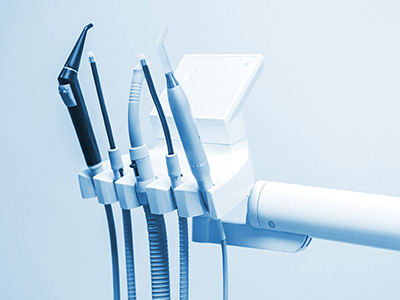
At Mountain Health Dentistry, we prioritize treatments that preserve natural teeth while making each visit as calm and efficient as possible. One way we do that is by using electric handpieces—advanced rotary instruments that replace or supplement traditional air-driven drills. These devices deliver consistent power with less noise and vibration, which helps patients feel more at ease and allows clinicians to complete restorative work with greater precision.
Many patients associate dental work with a high-pitched whine and rattling vibrations. Electric handpieces significantly reduce those sensations by delivering smooth, continuous torque instead of bursts of compressed air. The result is a noticeably quieter treatment environment that reduces startle responses and helps nervous patients relax during procedures that once felt overwhelming.
Beyond sound reduction, the steadiness of an electric motor minimizes the micro-vibrations that can travel through a tooth and jaw. That steadier feel not only improves comfort but also makes delicate work — such as shaping tooth structure or finishing margins — more predictable for the clinician. For patients who are sensitive to vibration or noise, this can transform the experience from tolerable to genuinely manageable.
Because electric systems produce a uniform rotational speed under load, dentists can focus on technique without constantly compensating for tool performance. That steady control translates to fewer interruptions, shorter active treatment times, and a smoother overall chairside flow that benefits both patient and provider.
Electric handpieces are particularly valuable for restorative procedures that demand fine control. When preparing a tooth for a filling, onlay, or crown, the margin quality and the preservation of healthy tooth structure are critical. The predictable cutting action of an electric handpiece helps clinicians remove decay or shape preparations with accuracy, reducing the need for adjustments later.
Clinicians often choose electric handpieces for tasks such as refining cavity walls, trimming provisional restorations, contouring crown margins, and smoothing composite restorations. Their consistent torque is also helpful during procedures that require sustained cutting pressure, where air-driven instruments can slow down under load and become less efficient.
In addition, prosthetic workflows that involve precise fit—like CAD/CAM preparations and adhesive dentistry—benefit from the controlled cutting behavior. That control supports tighter restoration fits and helps protect surrounding tissues during preparation, contributing to better long-term outcomes for the tooth.
At a basic level, electric handpieces replace compressed-air turbines with an electric motor and gear system that maintain consistent rotational speed and torque. Unlike air-driven tools that can fluctuate when resistance changes, the electronic drive compensates dynamically so the bur cuts smoothly even under varying loads. This reduces chatter and provides a more tactile feedback loop for the clinician.
Modern designs also incorporate ergonomic considerations and noise-reduction engineering. Bearings, isolation mounts, and streamlined housings all play a role in damping sound and vibration. For the patient, these refinements mean less sensory overload; for the clinician, they enable finer motor control and improved visibility when working at the margins of a preparation.
From a practical standpoint, the integration of electric handpieces with other technologies—such as high-speed suction and magnification systems—creates a quieter, more focused operatory environment. When every element works together, clinicians can perform complex procedures with greater confidence and fewer interruptions.
Electric handpieces contribute to a gentler experience in several tangible ways. Patients typically notice a reduction in noise and vibration, which lowers anxiety and makes it easier to remain still during intricate work. That stillness is essential when precision matters, since small movements can affect the fit and finish of restorations.
For clinicians, the predictability of electric instruments reduces the need to overcut for fear of tool slowdown. That means more conservative preparations and better preservation of natural tooth structure. The combination of less chatter and steady torque also helps with margin integrity, which is a key factor in the longevity of crowns and bonded restorations.
Additionally, many teams find that the improved ergonomics and repeatable performance of electric handpieces accelerate routine tasks without sacrificing quality. Shorter procedure segments and fewer adjustments can improve workflow and reduce cumulative stress on both patients and staff.
Like any precision instrument, electric handpieces require appropriate maintenance and clinical protocols. Regular inspection, lubrication where specified by the manufacturer, and sterilization processes keep the device functioning safely and reliably. Our team follows manufacturer guidelines and best-practice sterilization protocols to ensure instruments meet clinical standards.
Training is another important element of successful integration. Clinicians and assistants who understand the nuances of torque settings and bur selection can tailor the handpiece’s performance to each procedure. That familiarity improves outcomes and helps the dental team make informed choices about when to use an electric handpiece versus other rotary options.
Finally, when electric handpieces are combined with other modern equipment—such as magnification loupes, digital scanning, and laser systems—they become part of a coordinated approach to conservative, precise dentistry. This synergy supports the practice’s overall commitment to saving natural teeth and improving patient comfort.
In summary, electric handpieces are a practical, patient-friendly advancement that supports quieter, more controlled restorative care. If you’d like to learn how this technology can affect your next visit or which procedures commonly use these instruments, please contact us for more information.